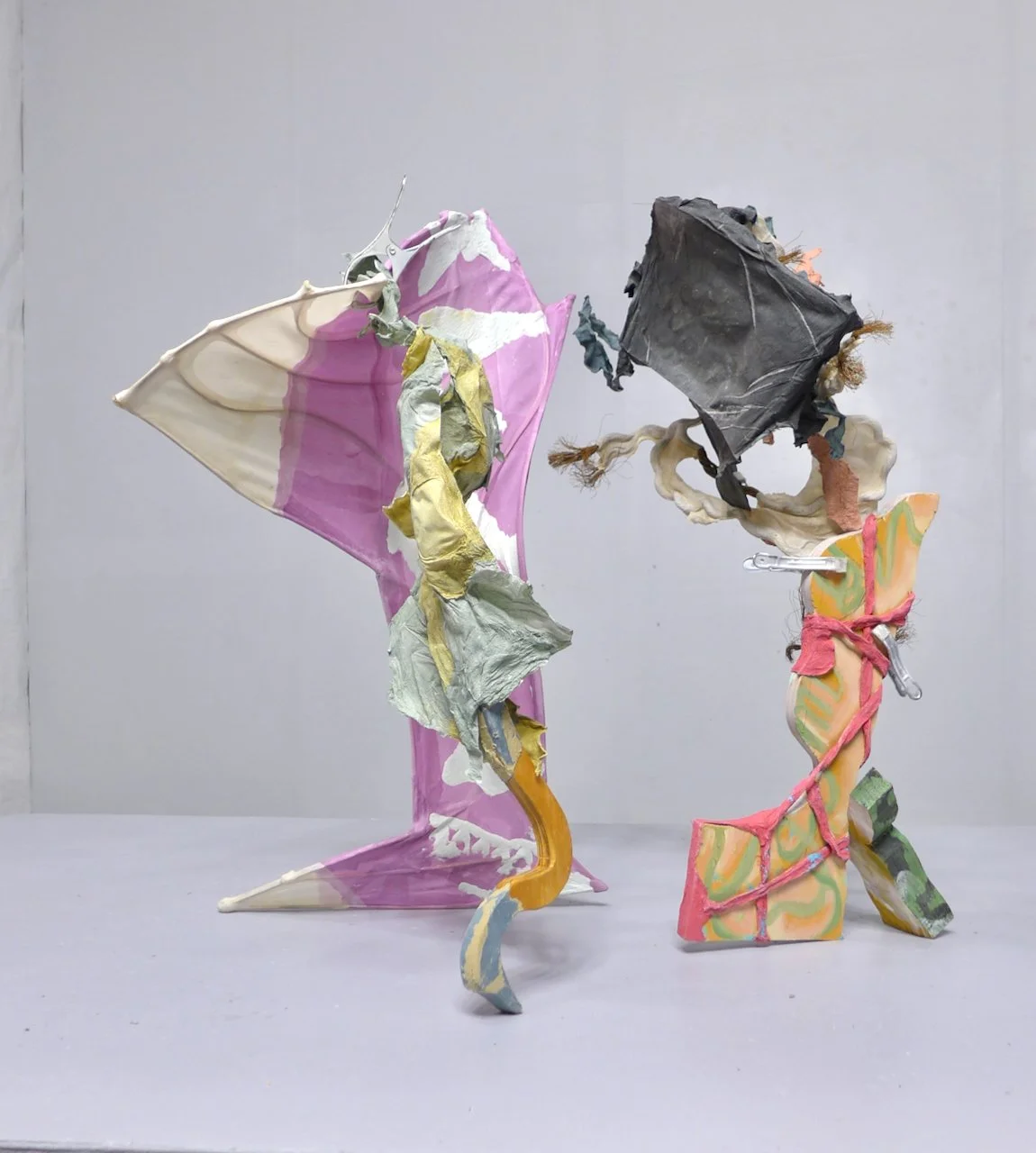
May 2026 Putting something from standing it upright to being on its side can change the drama of a piece from fighting back to being blown away. from 2021 but caught my eye again tonight more like this
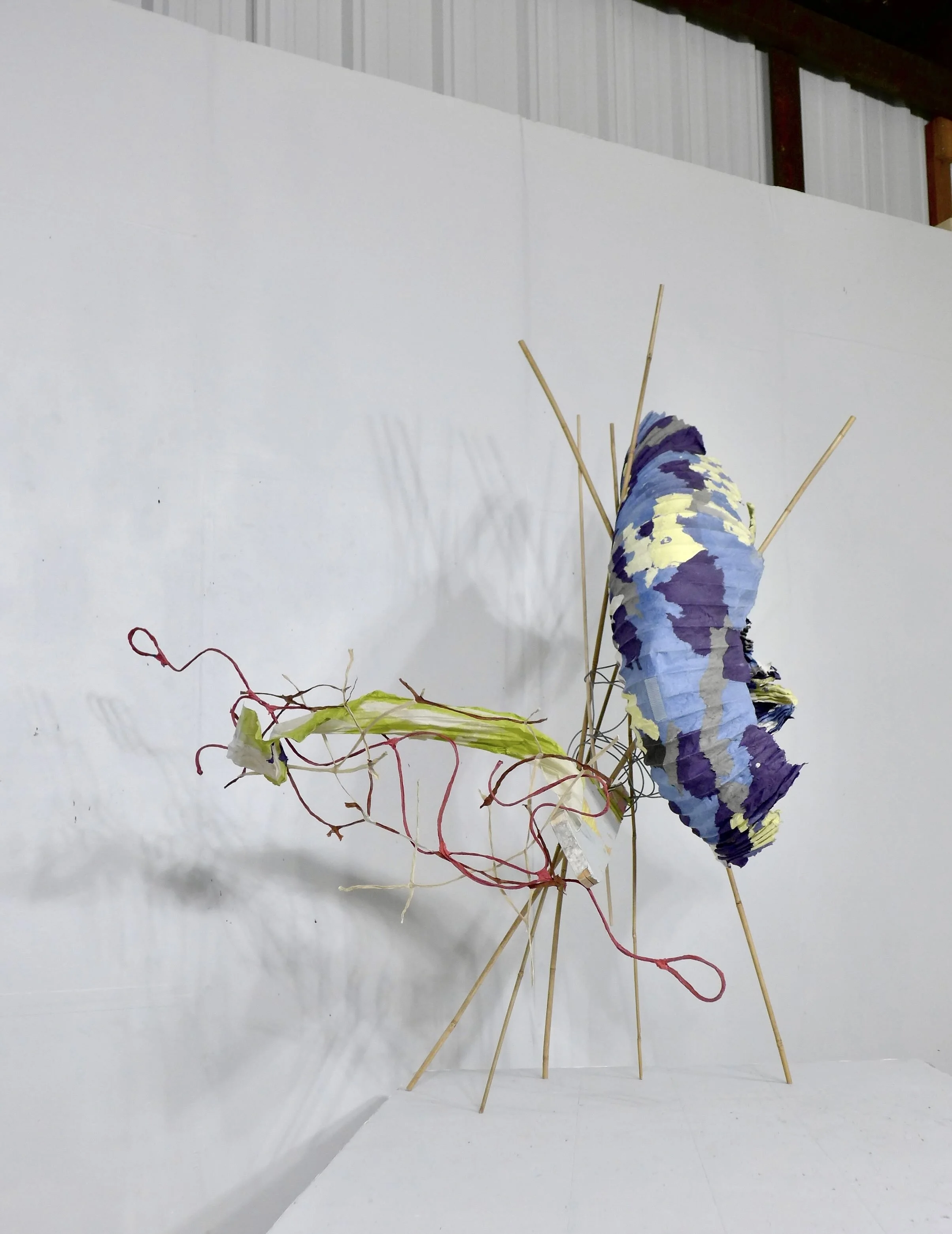
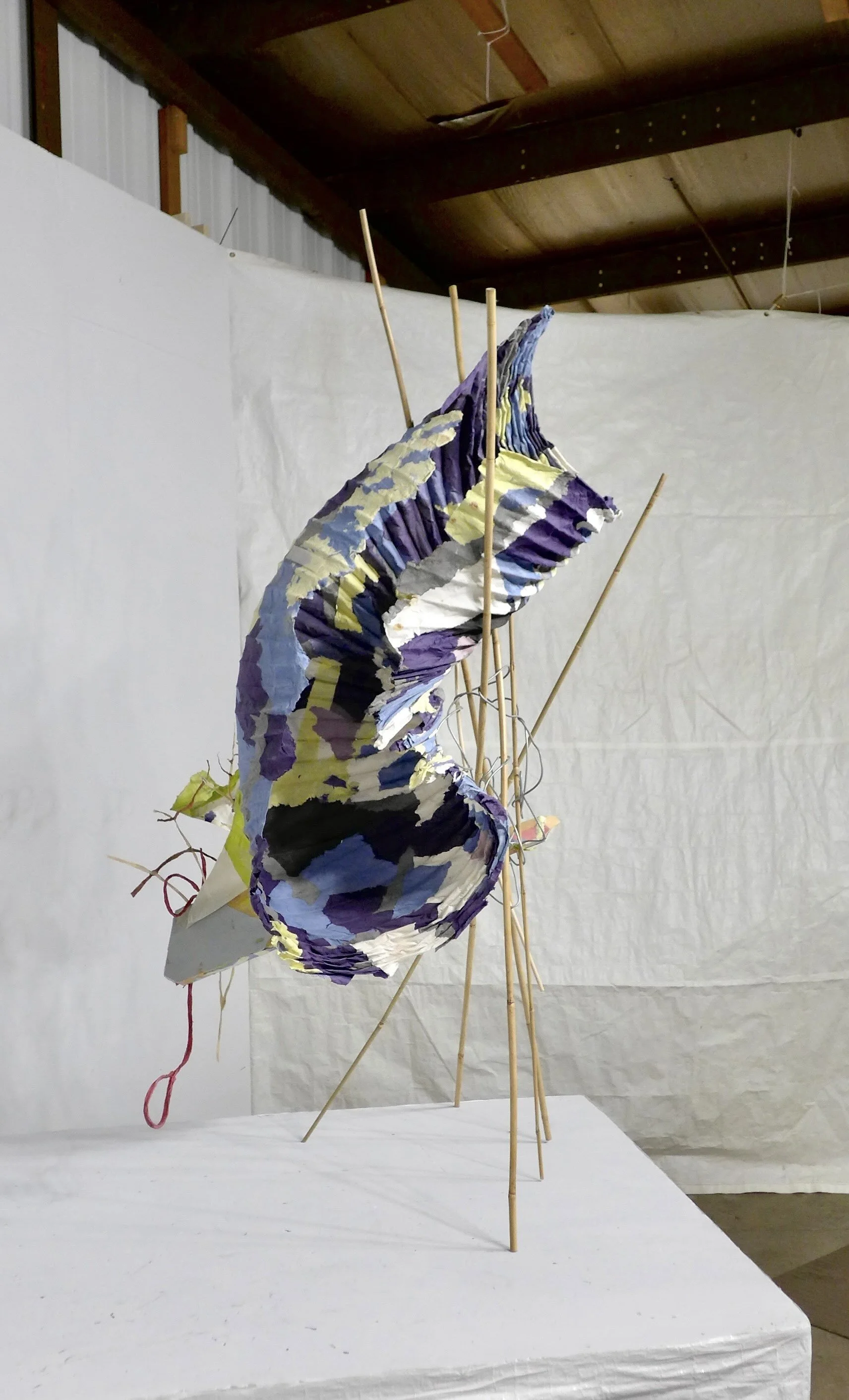
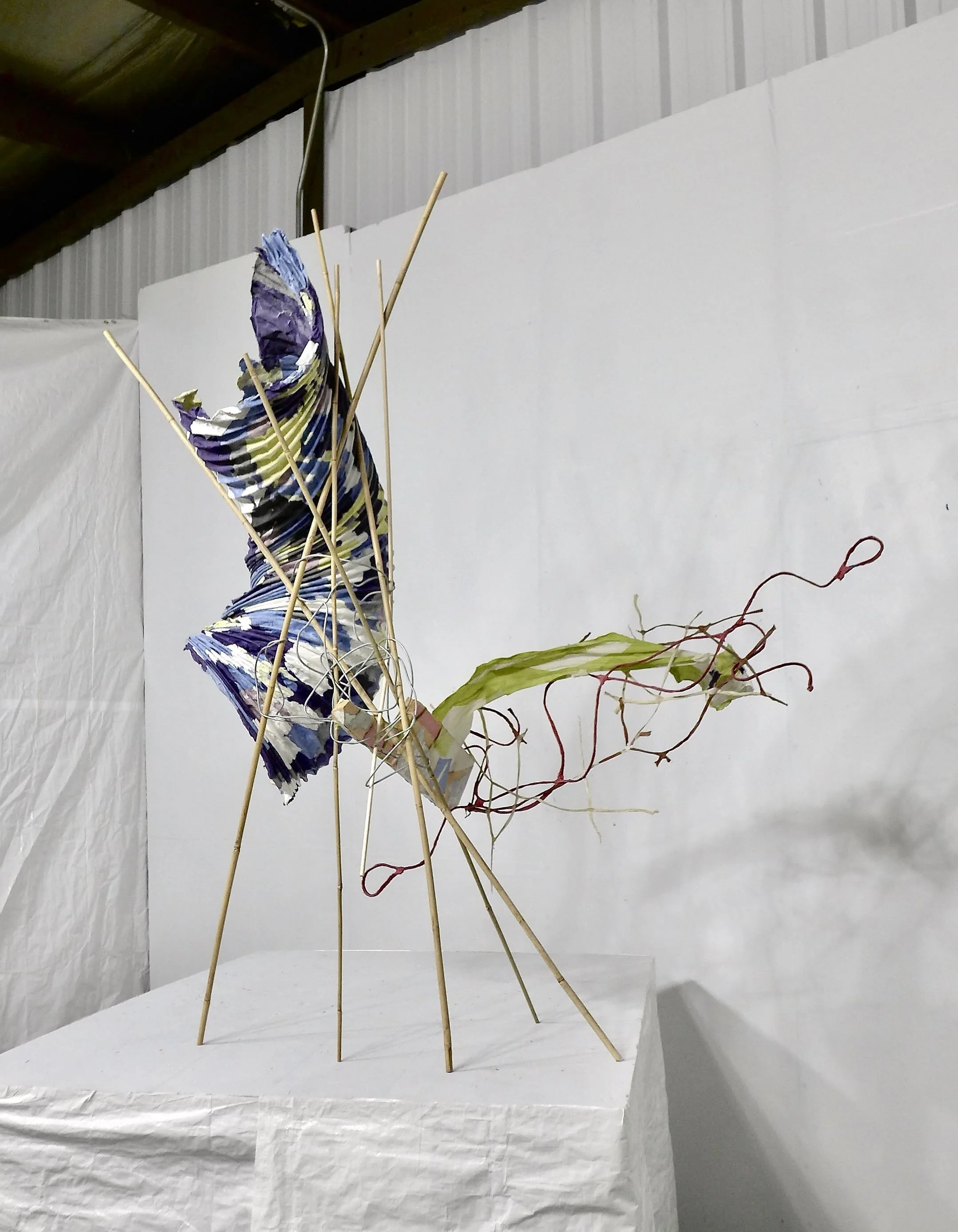
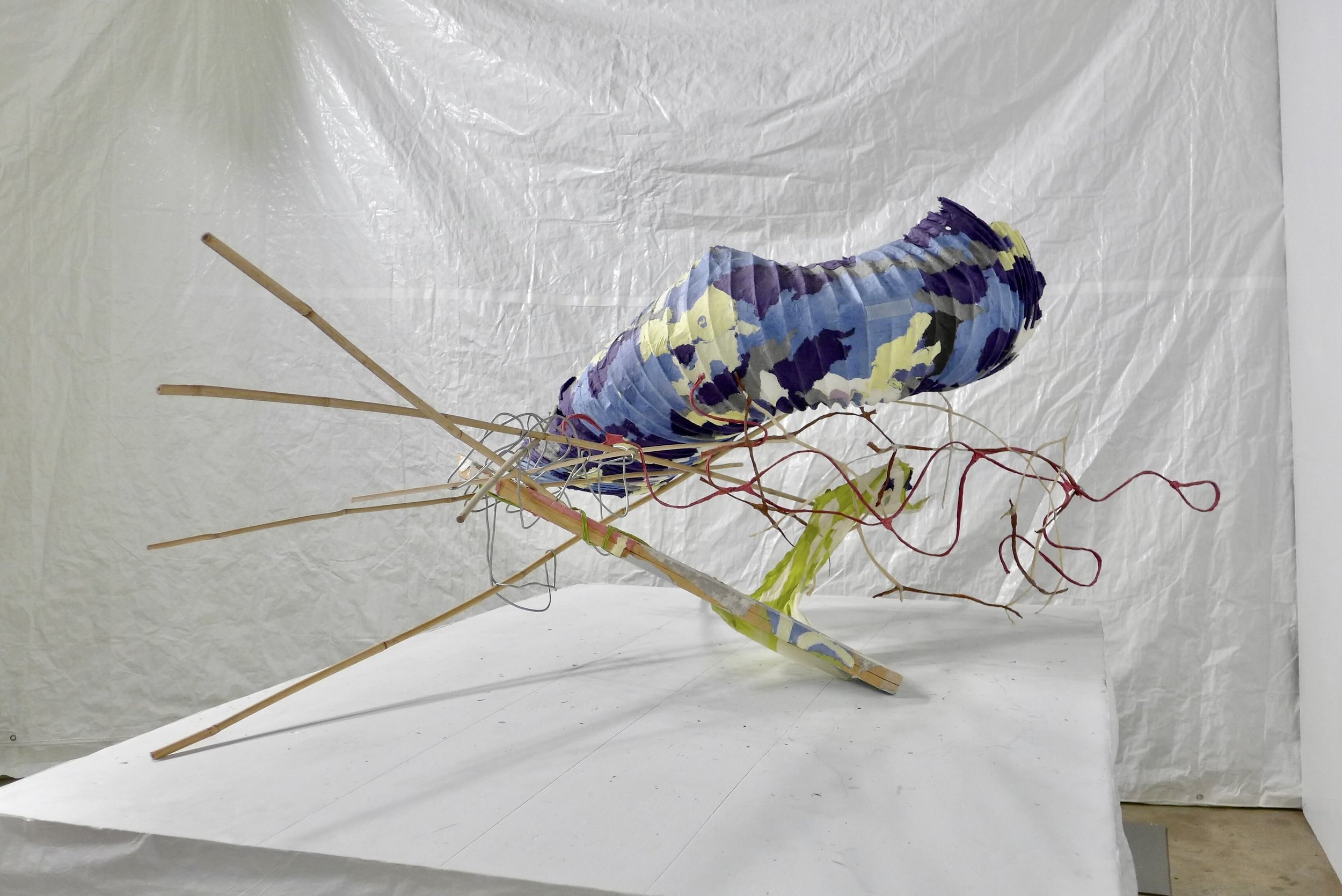
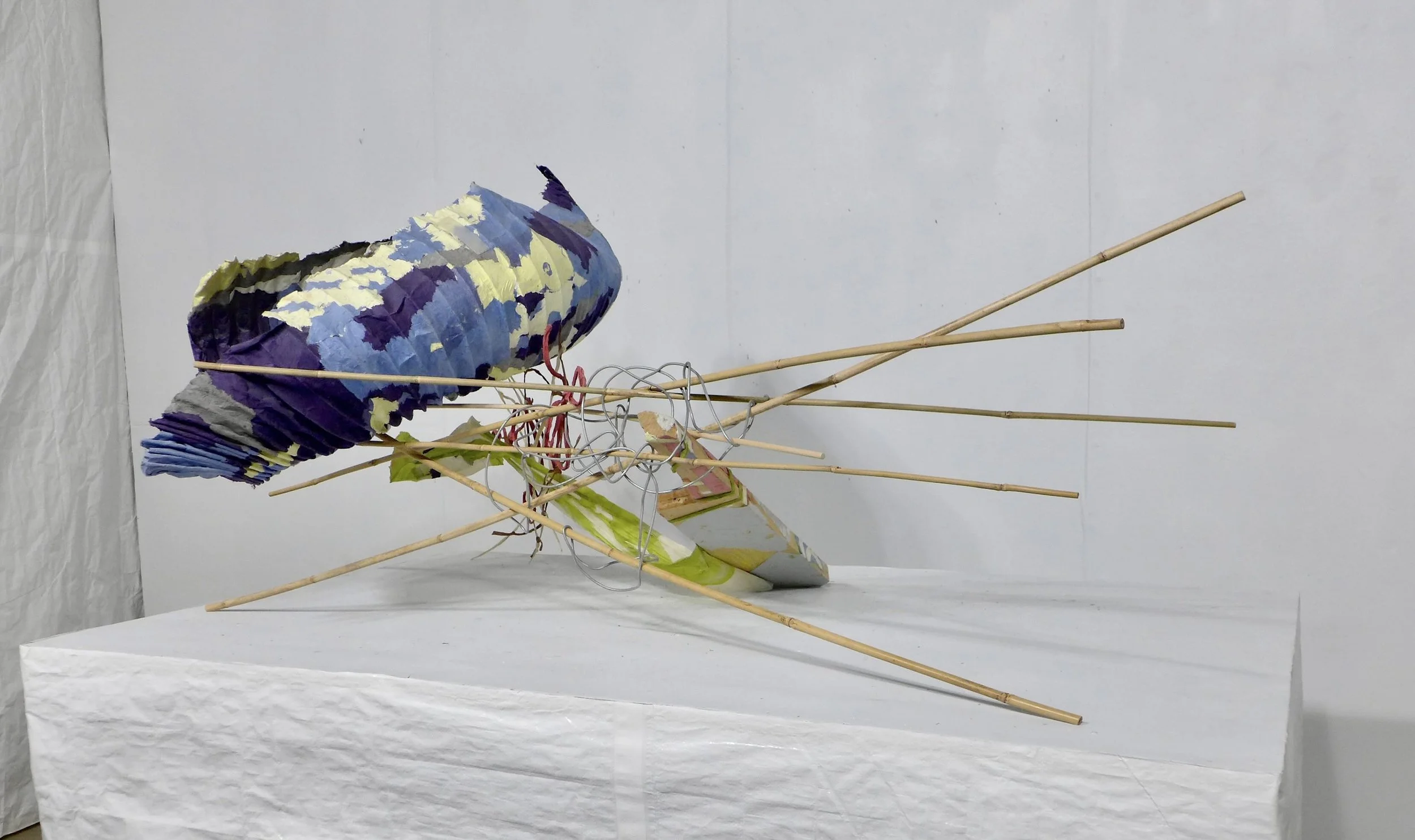
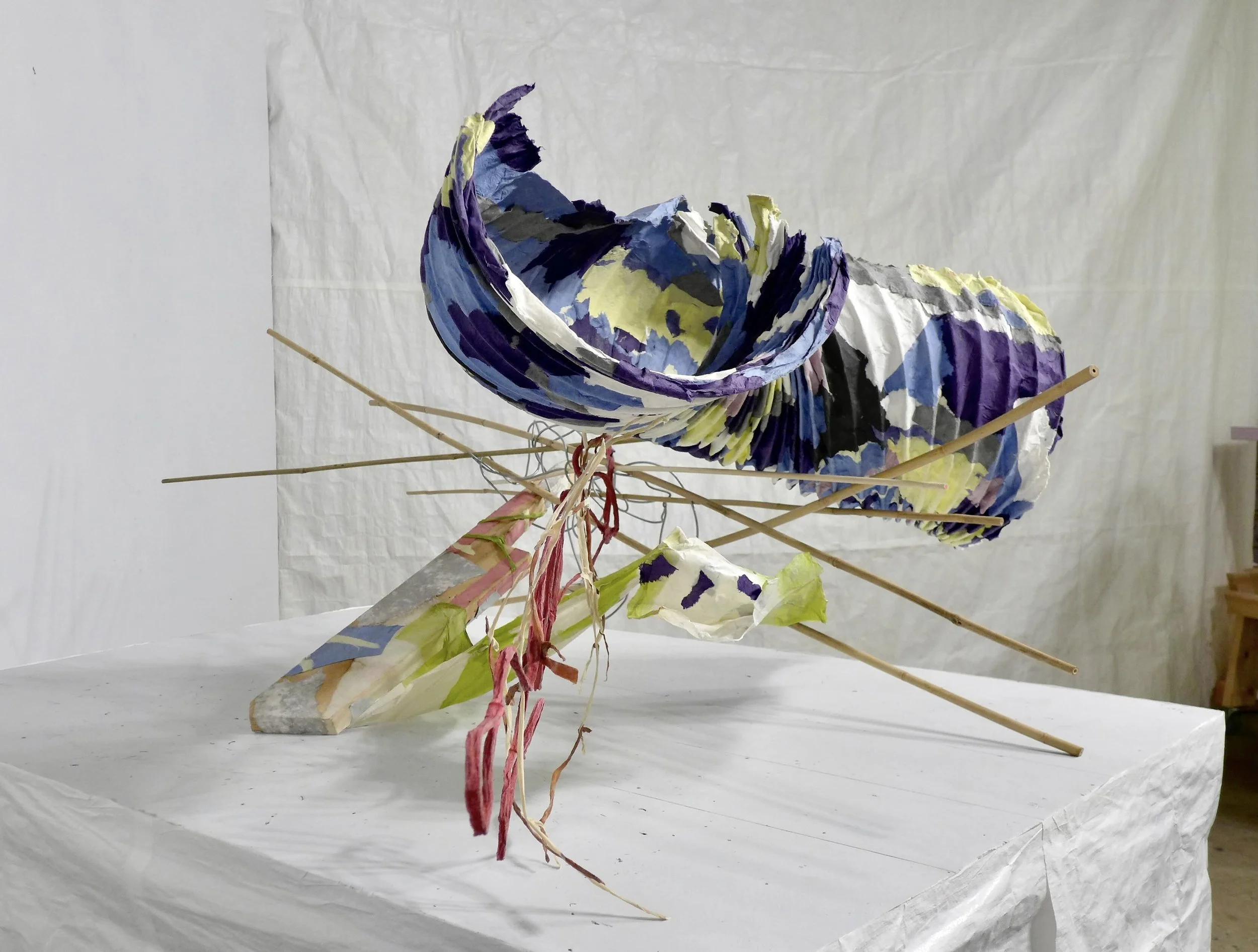
brief sculptures of parts
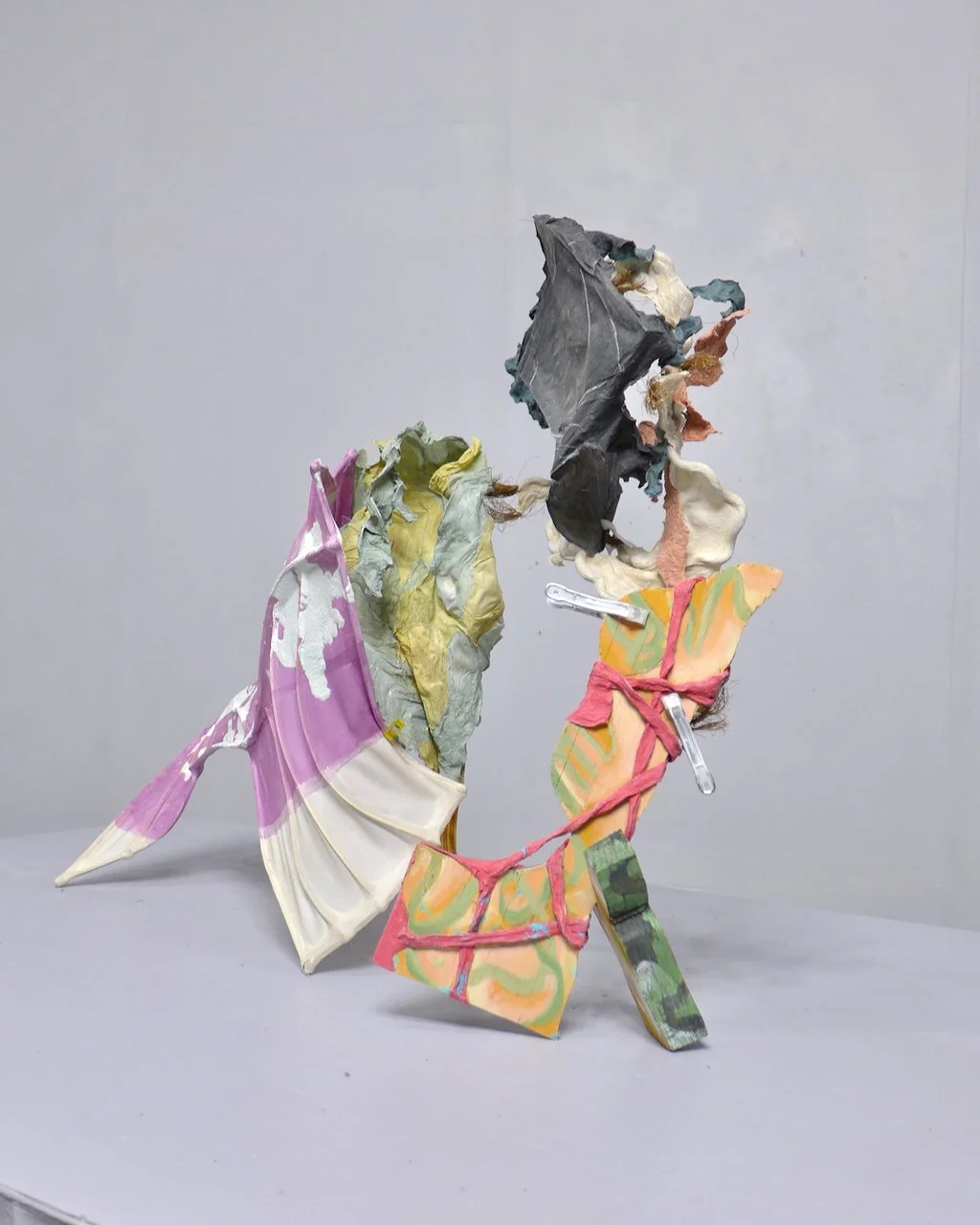
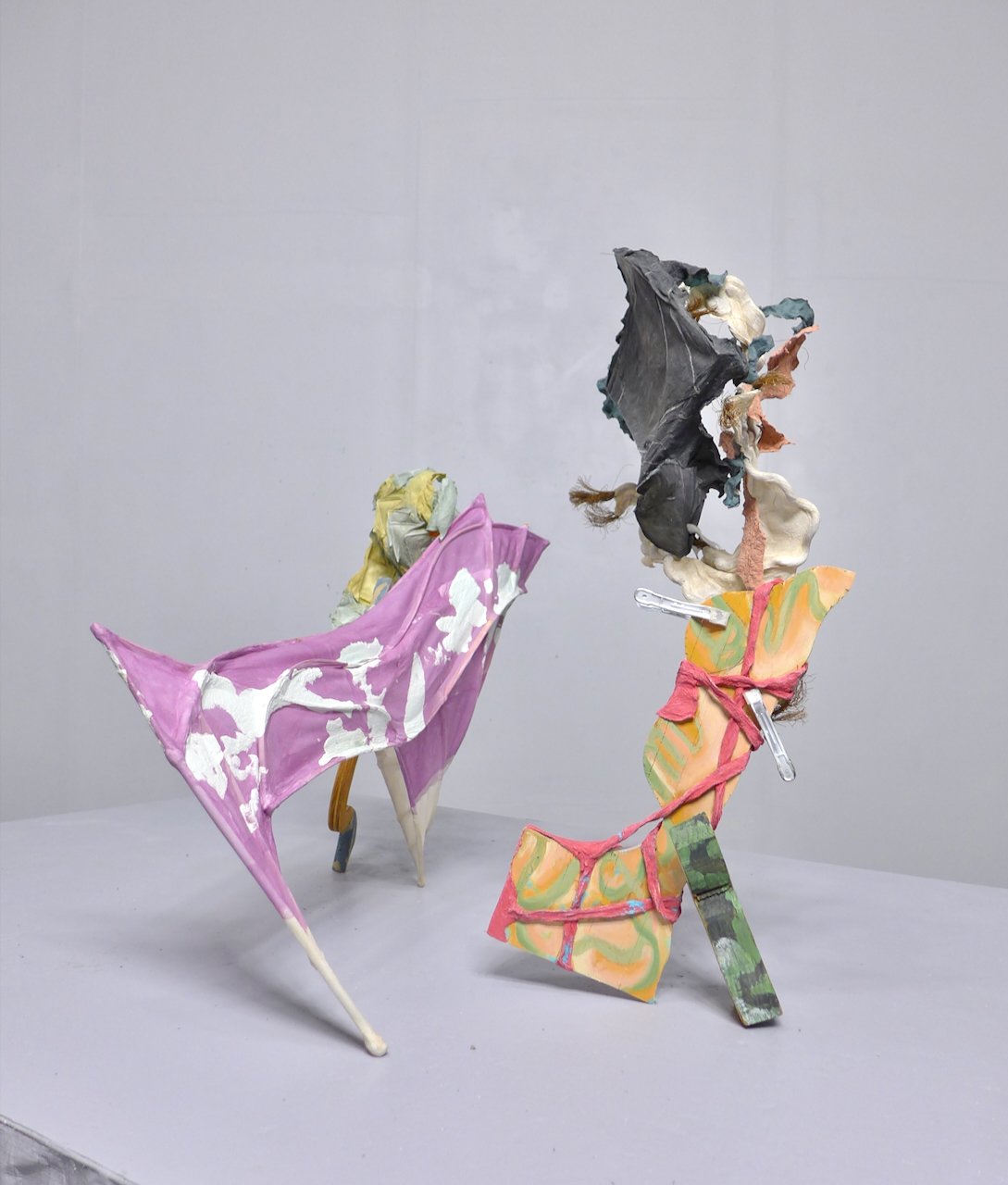
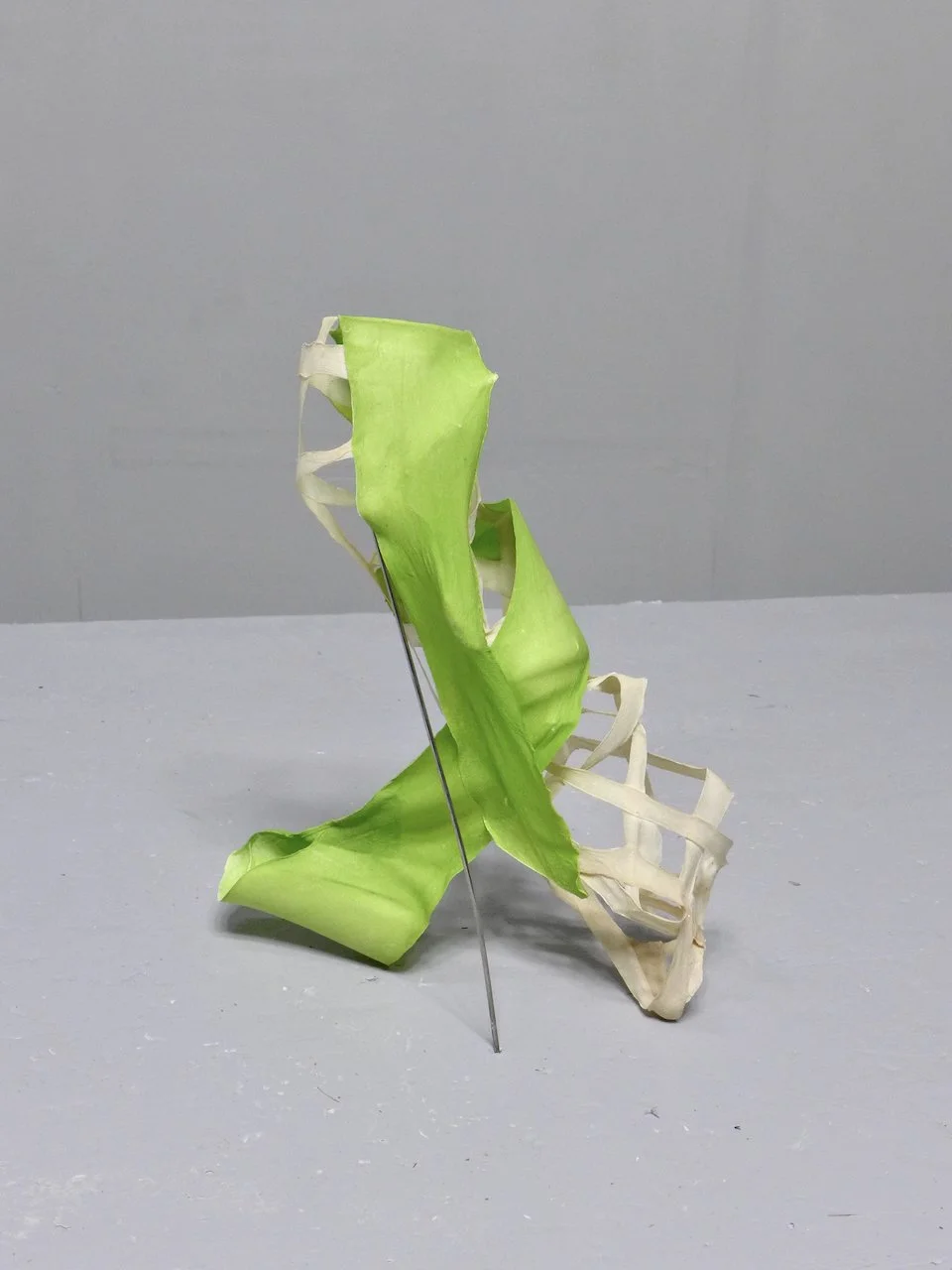
May 2026 Views of 3 similar sculptures followed by a 2nd view of each. The large green paper form is cast with cotton, abaca and natural morning glory fiber with pulp painting. About 3’ tall. similar works
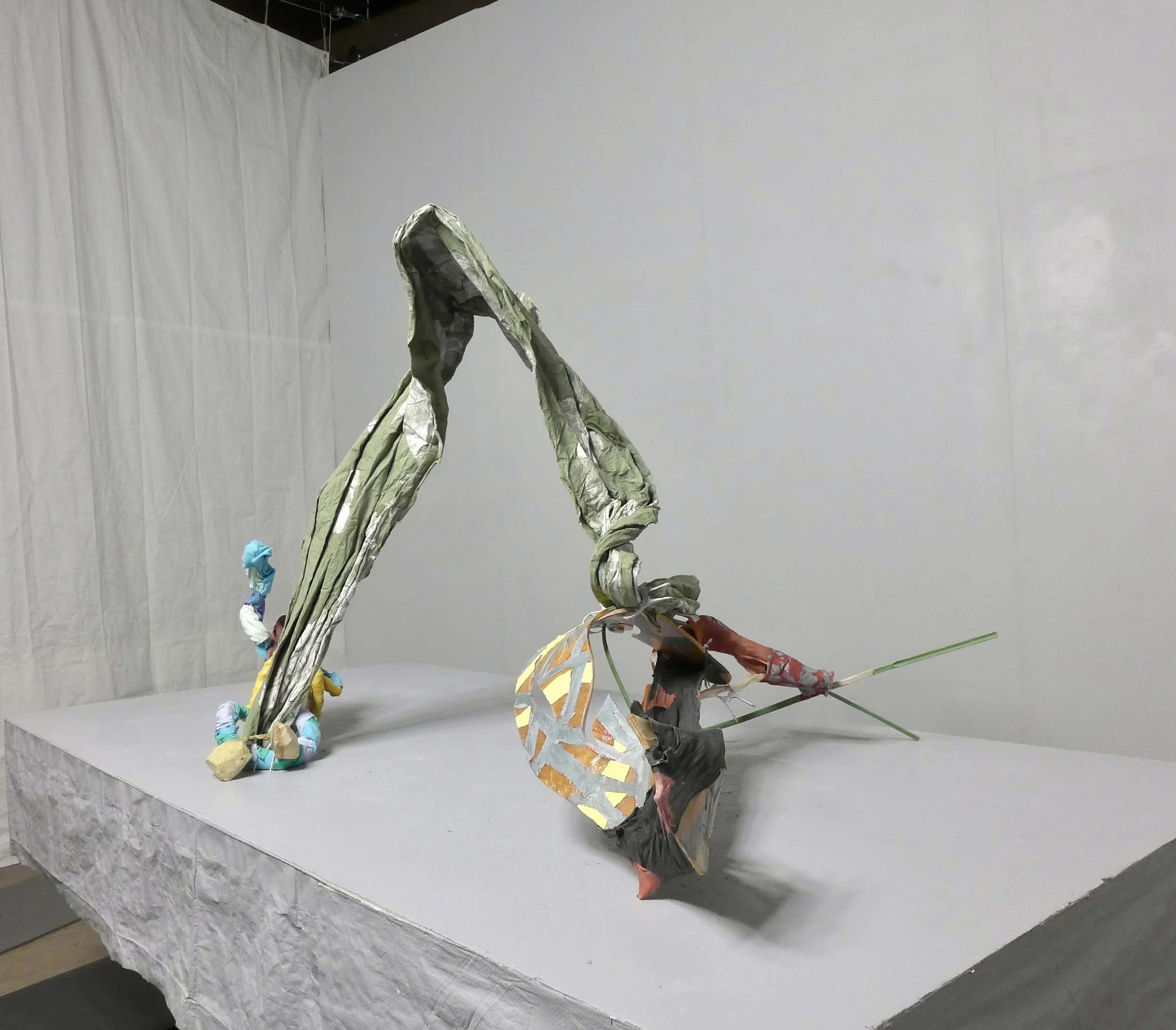
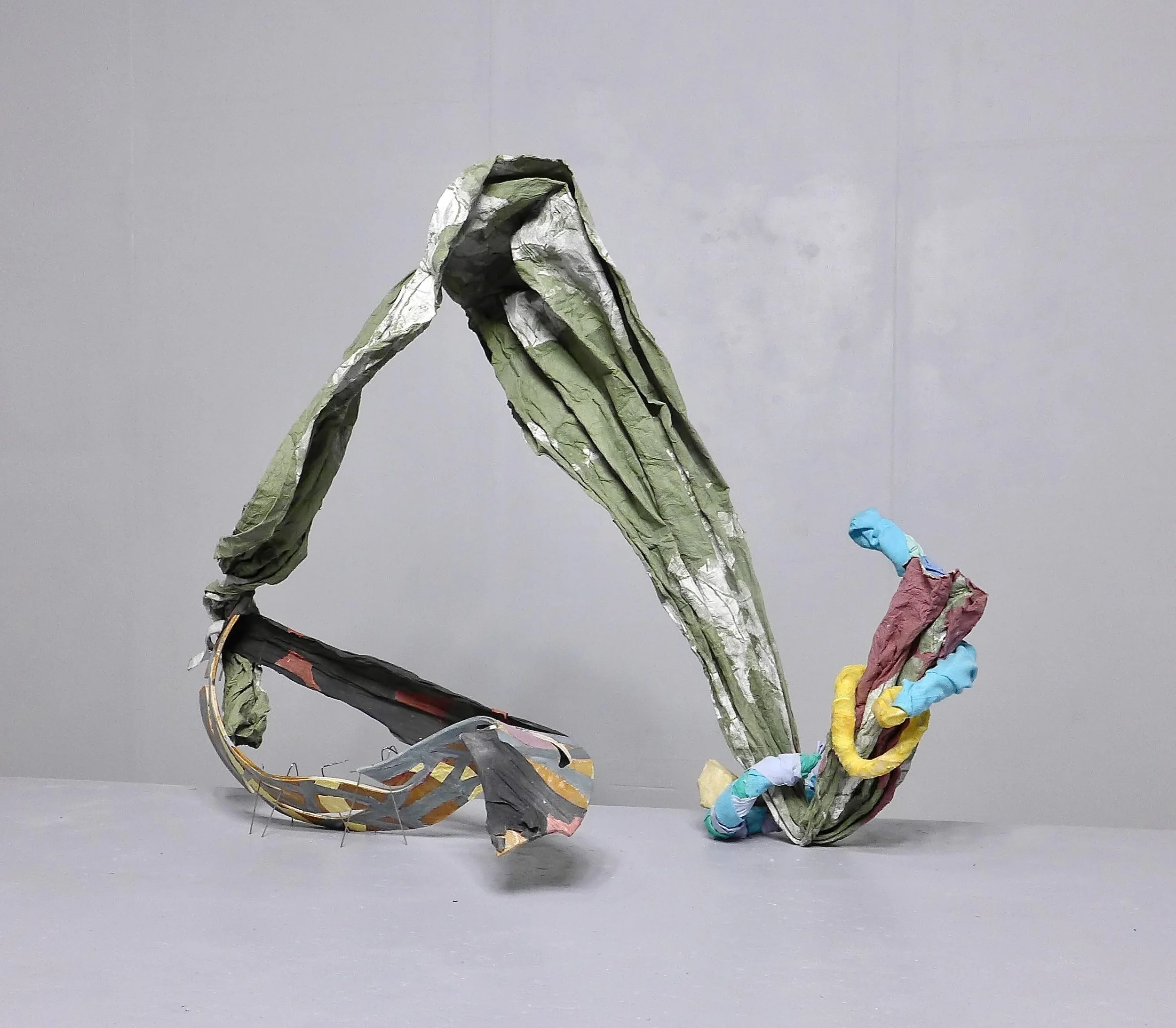
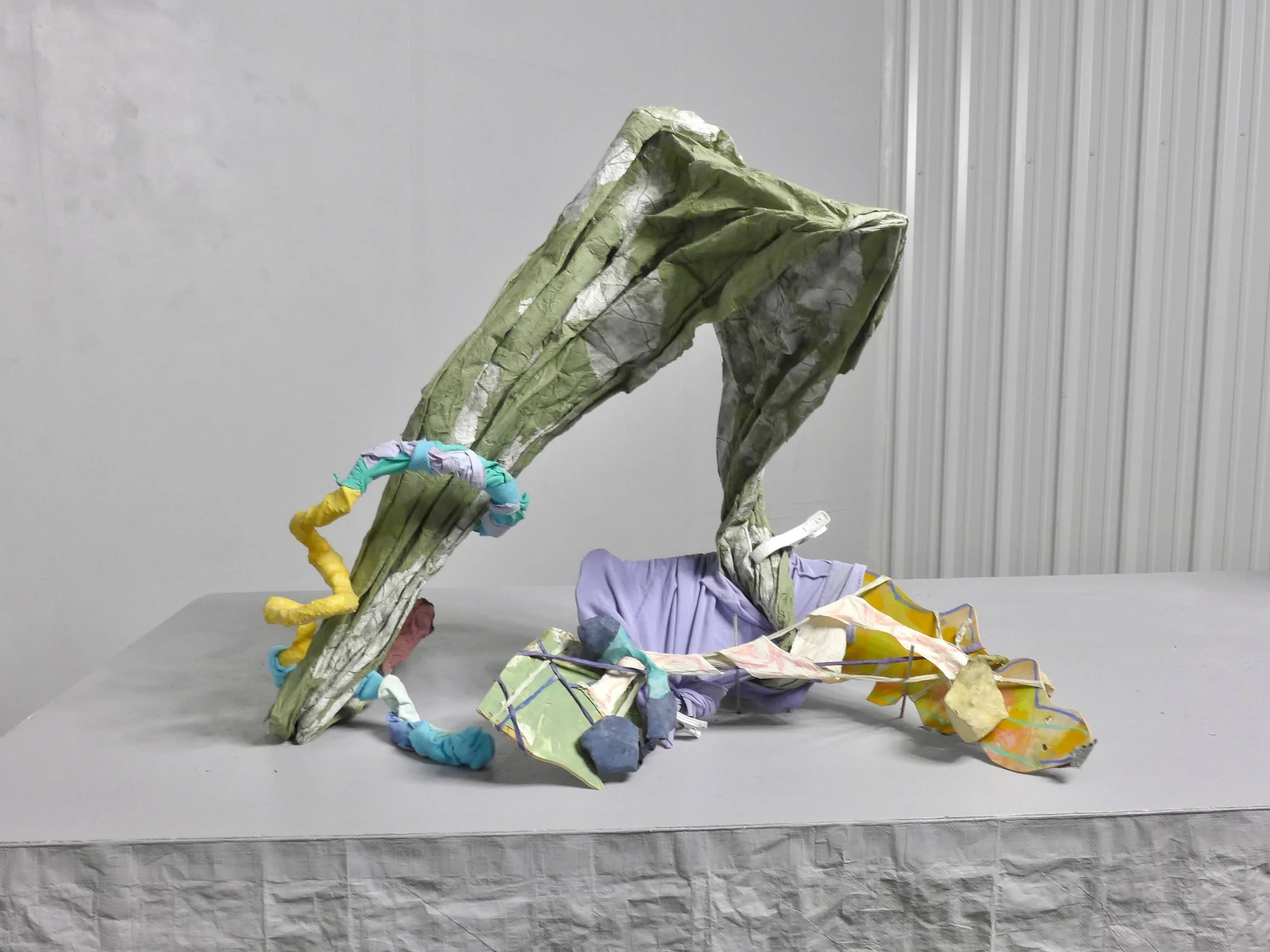
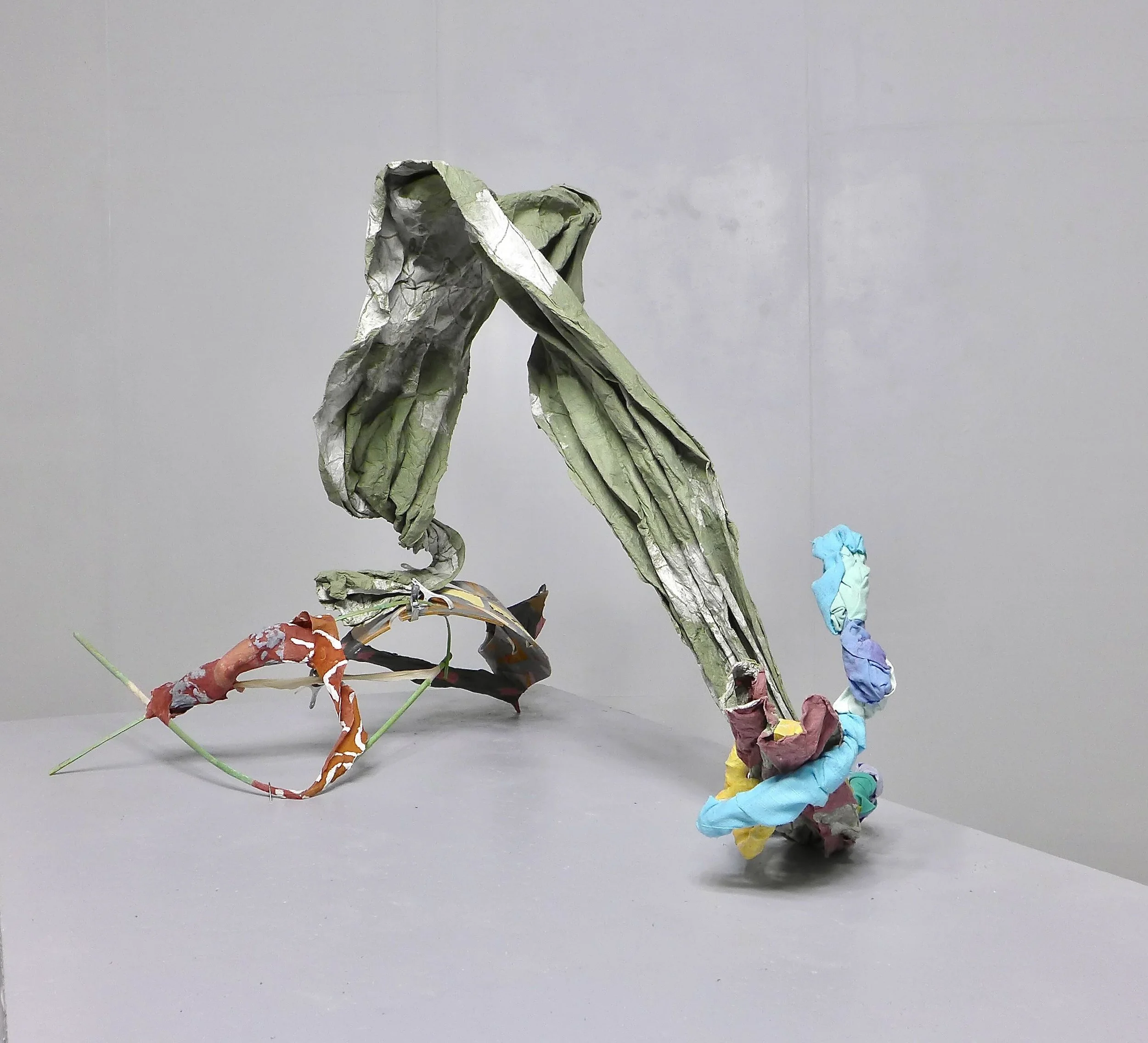
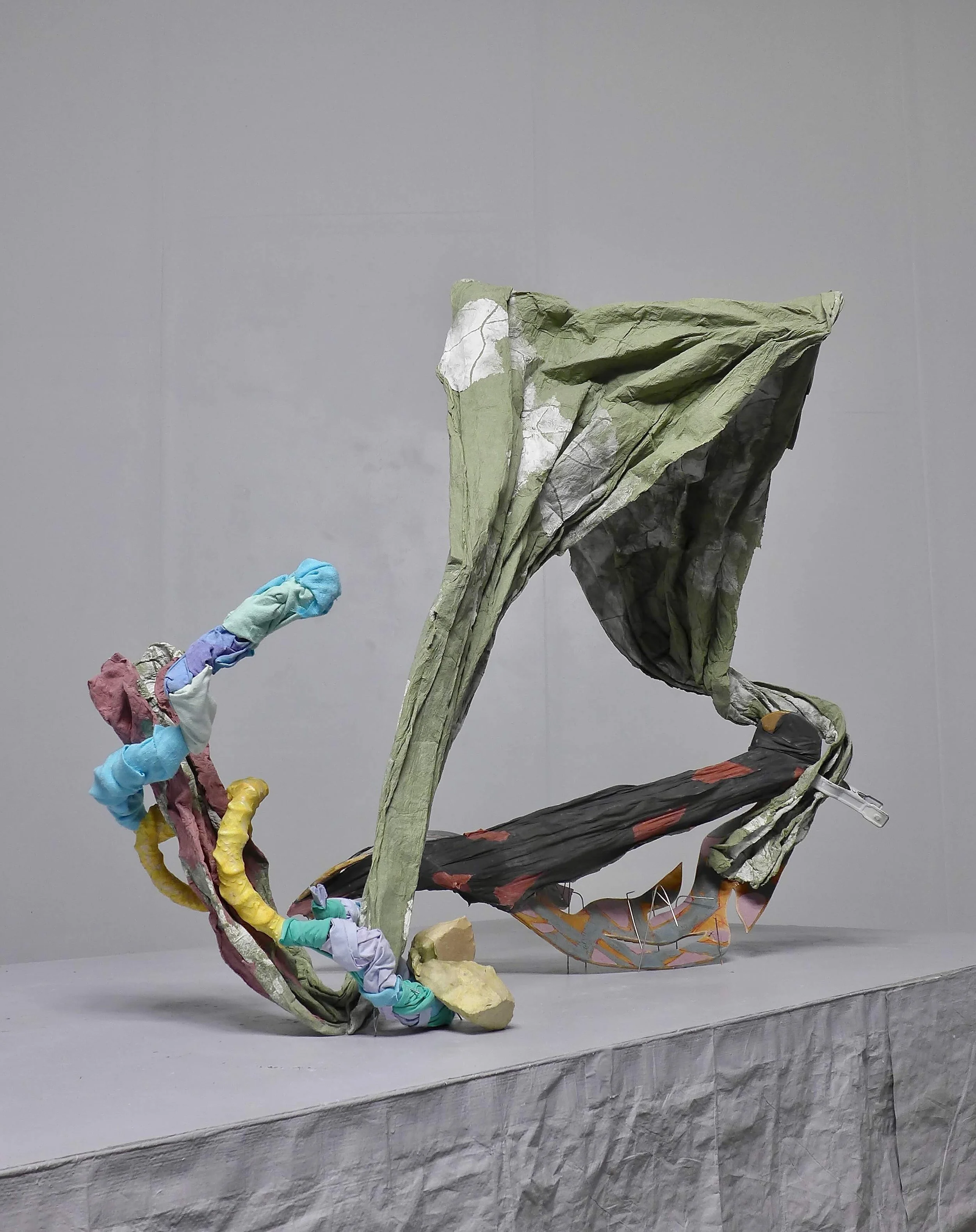
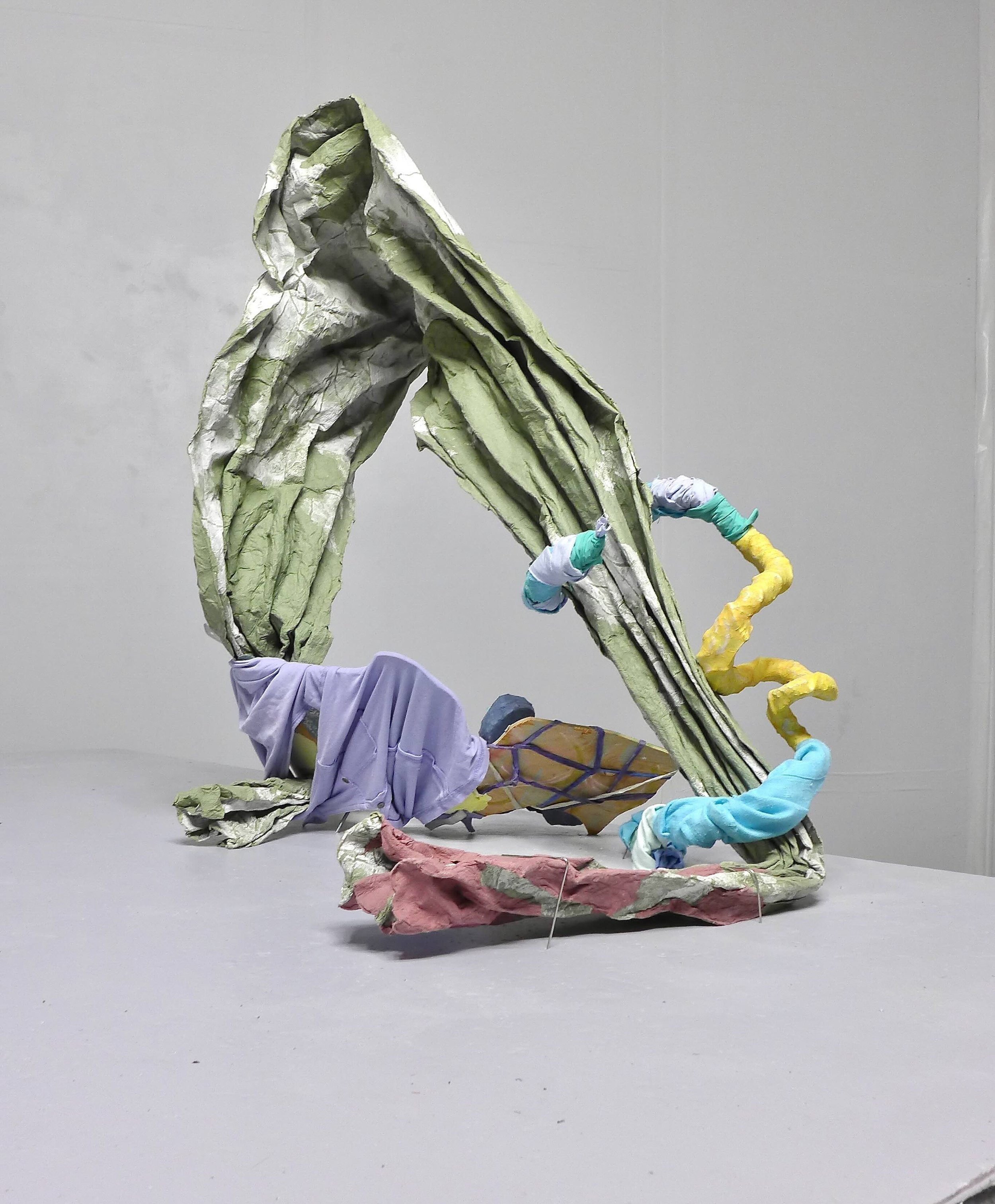
April 26 These couple of sculptures work well together. We used the painted strip of siding in one sculpture. Later, when we reworked them, the strip of siding ended up with the other sculpture. In the gallery, the strip alternates so the sculptures seem to be trading it back and forth.
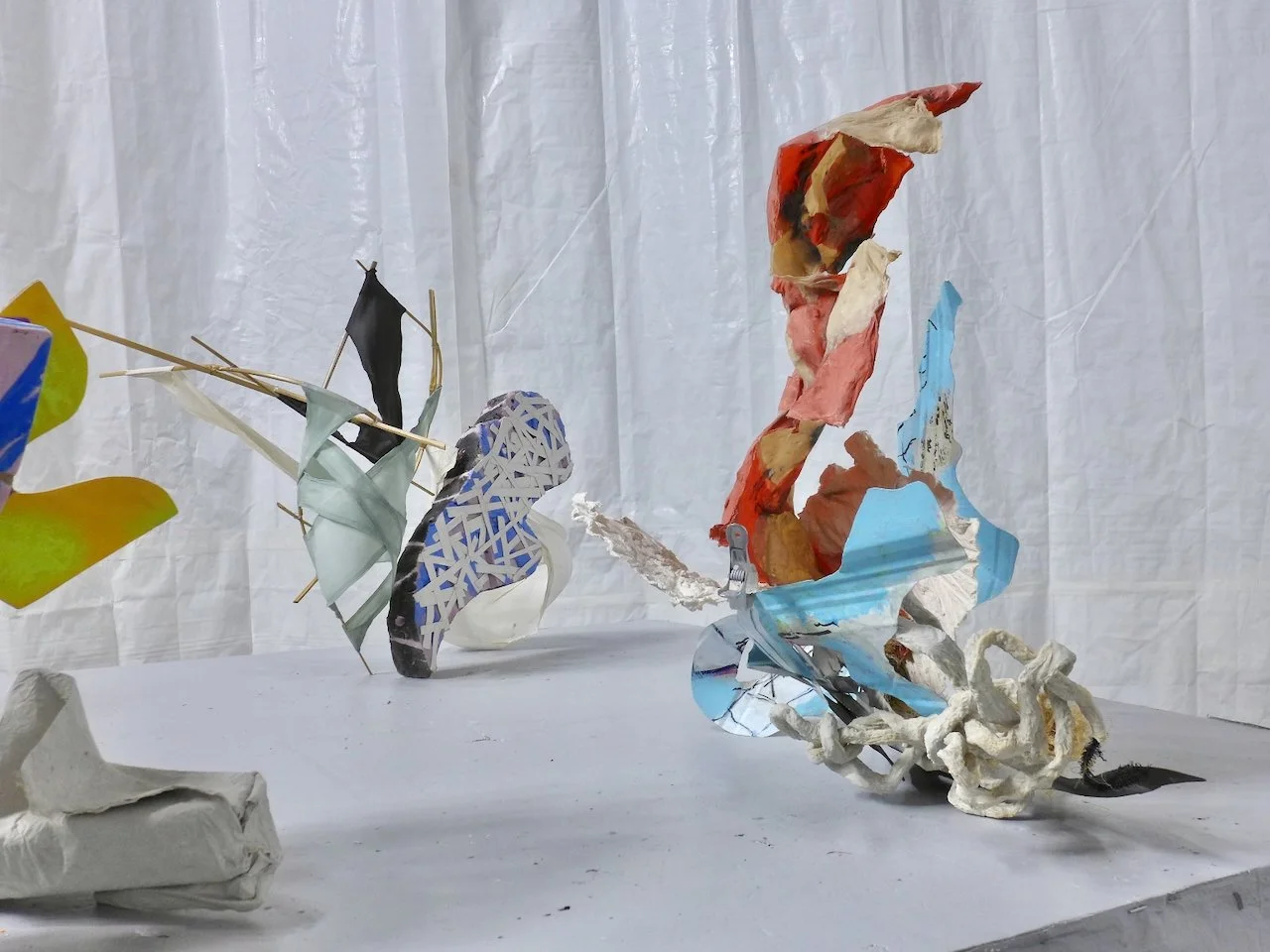
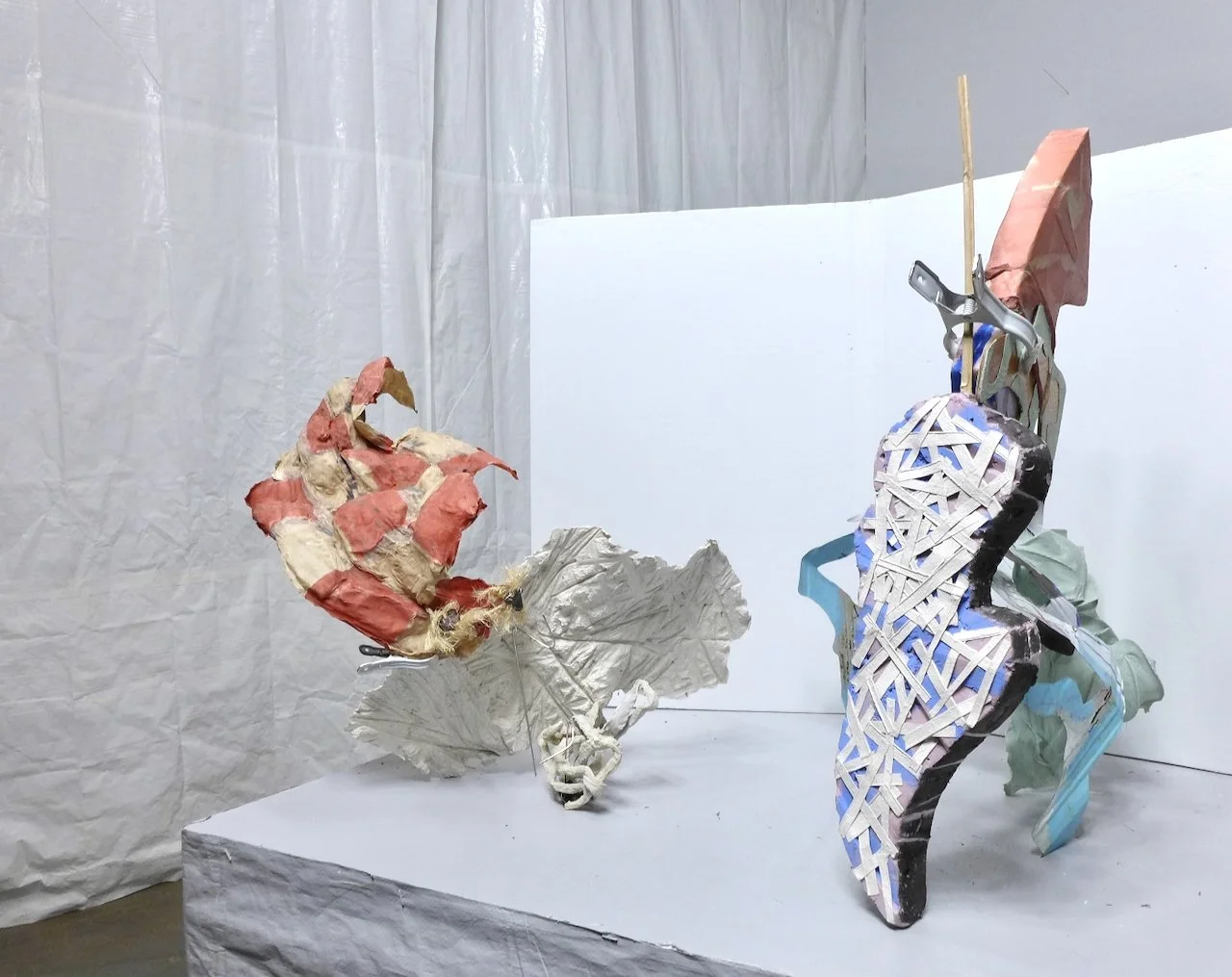
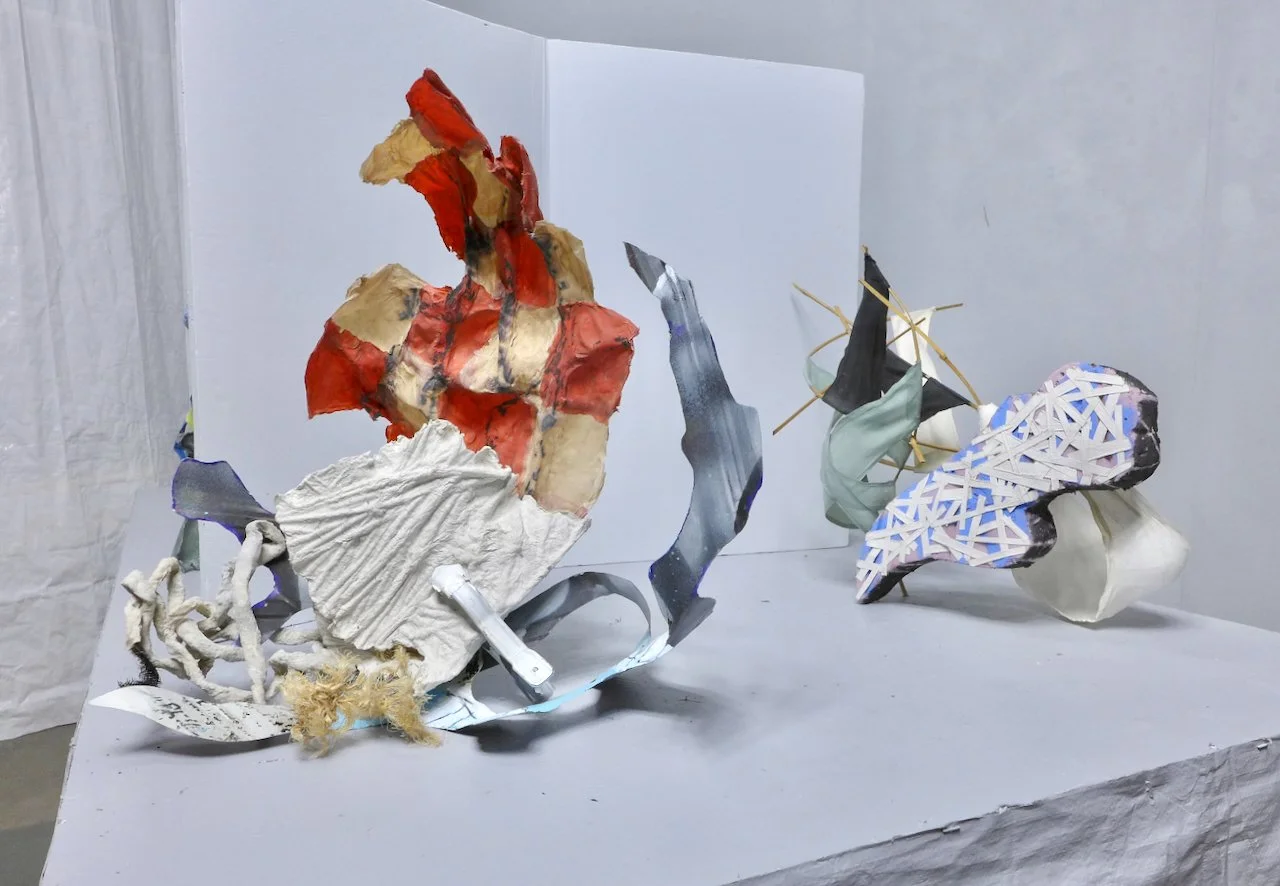
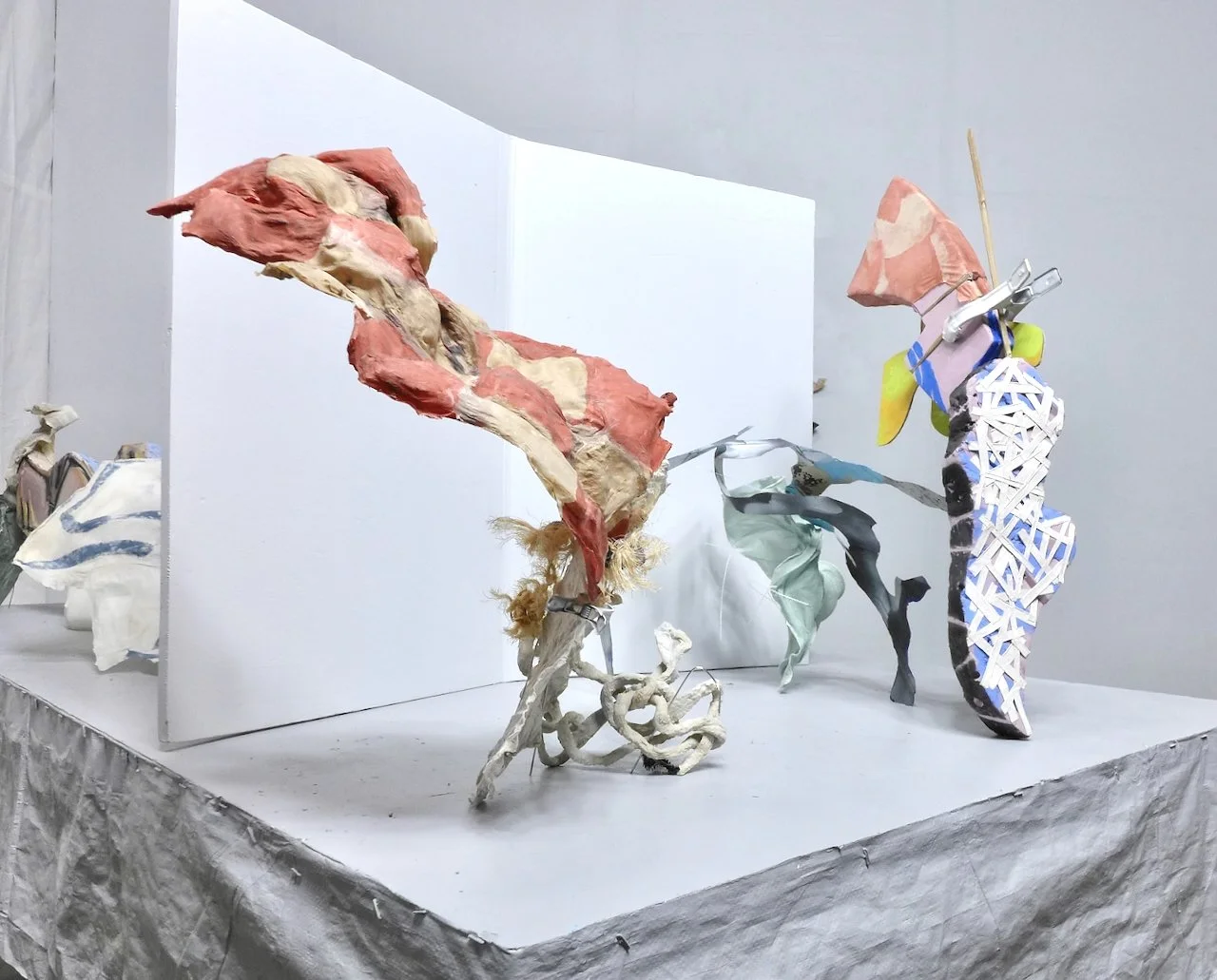
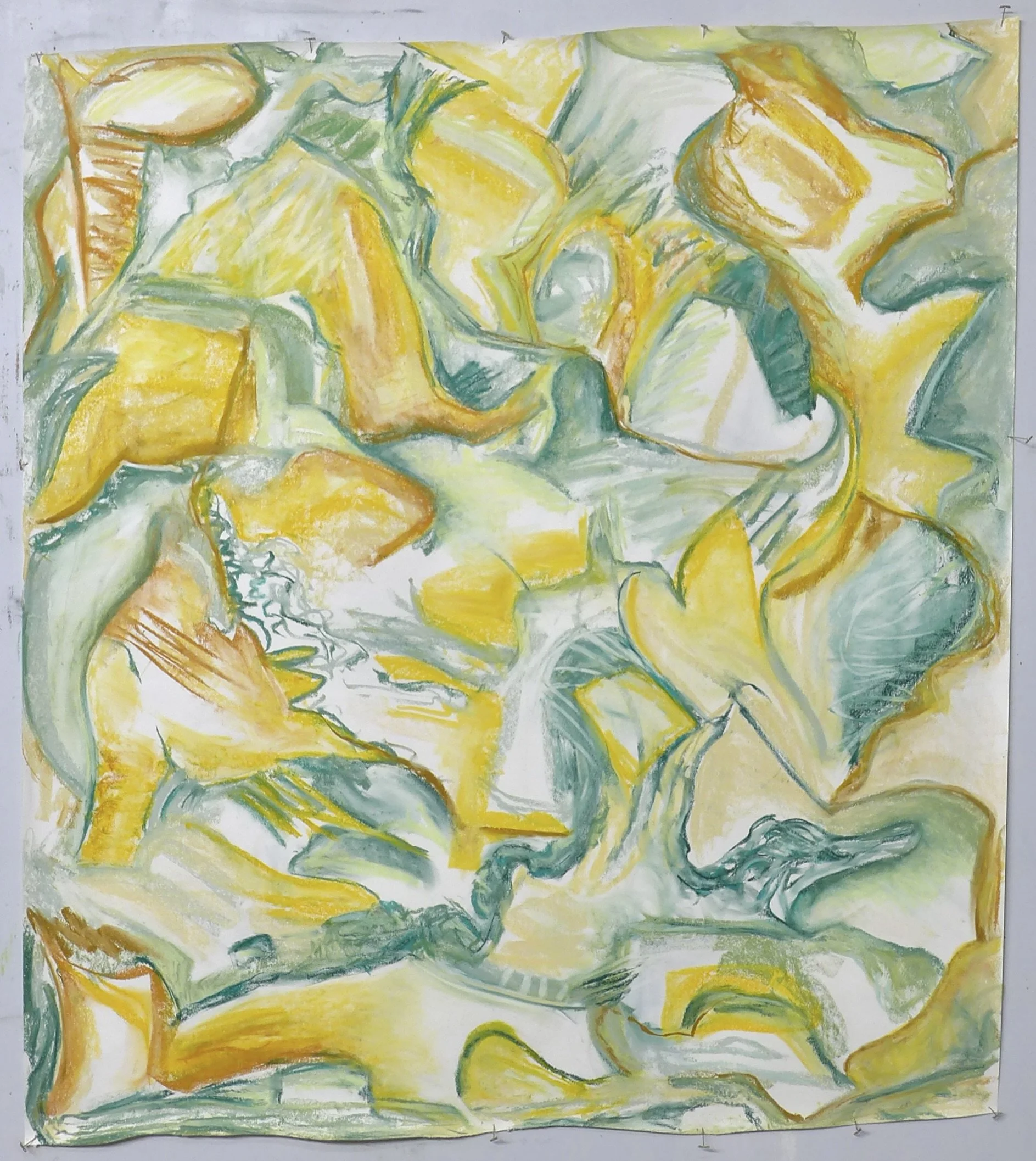
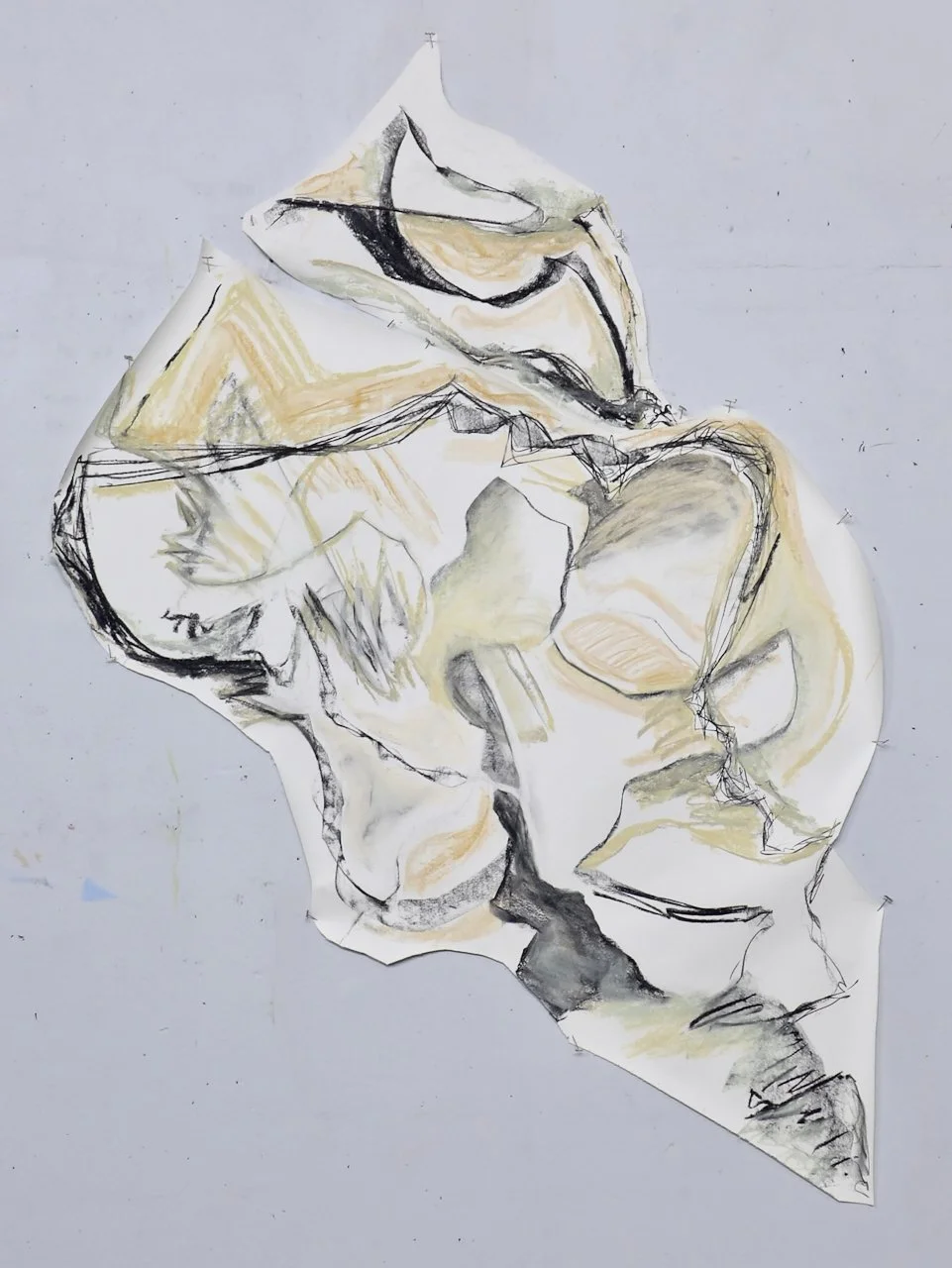
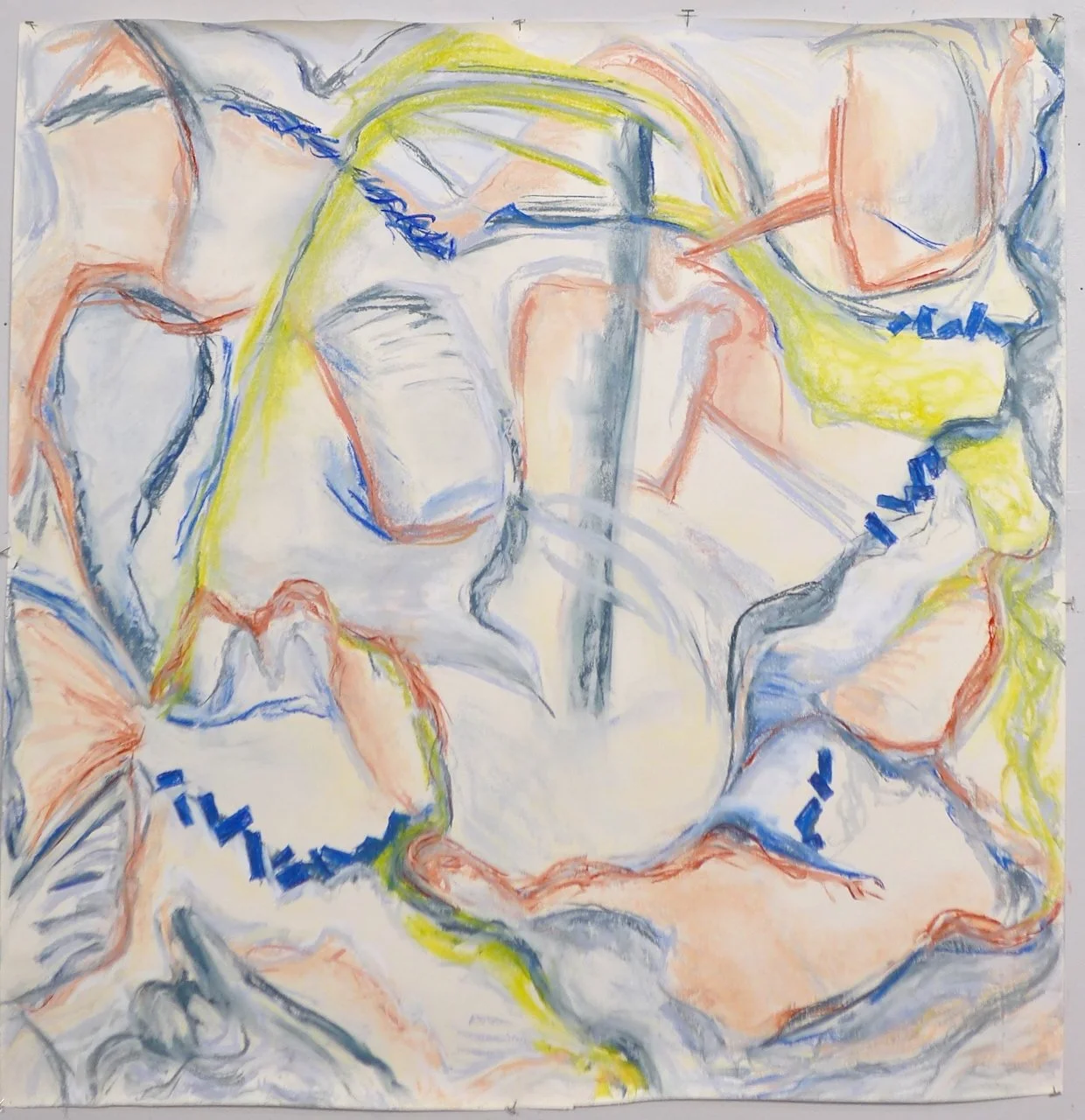
recent pastel drawings. No handmade paper, just Canson water color roll. each is about 48” wide other drawings. April 26
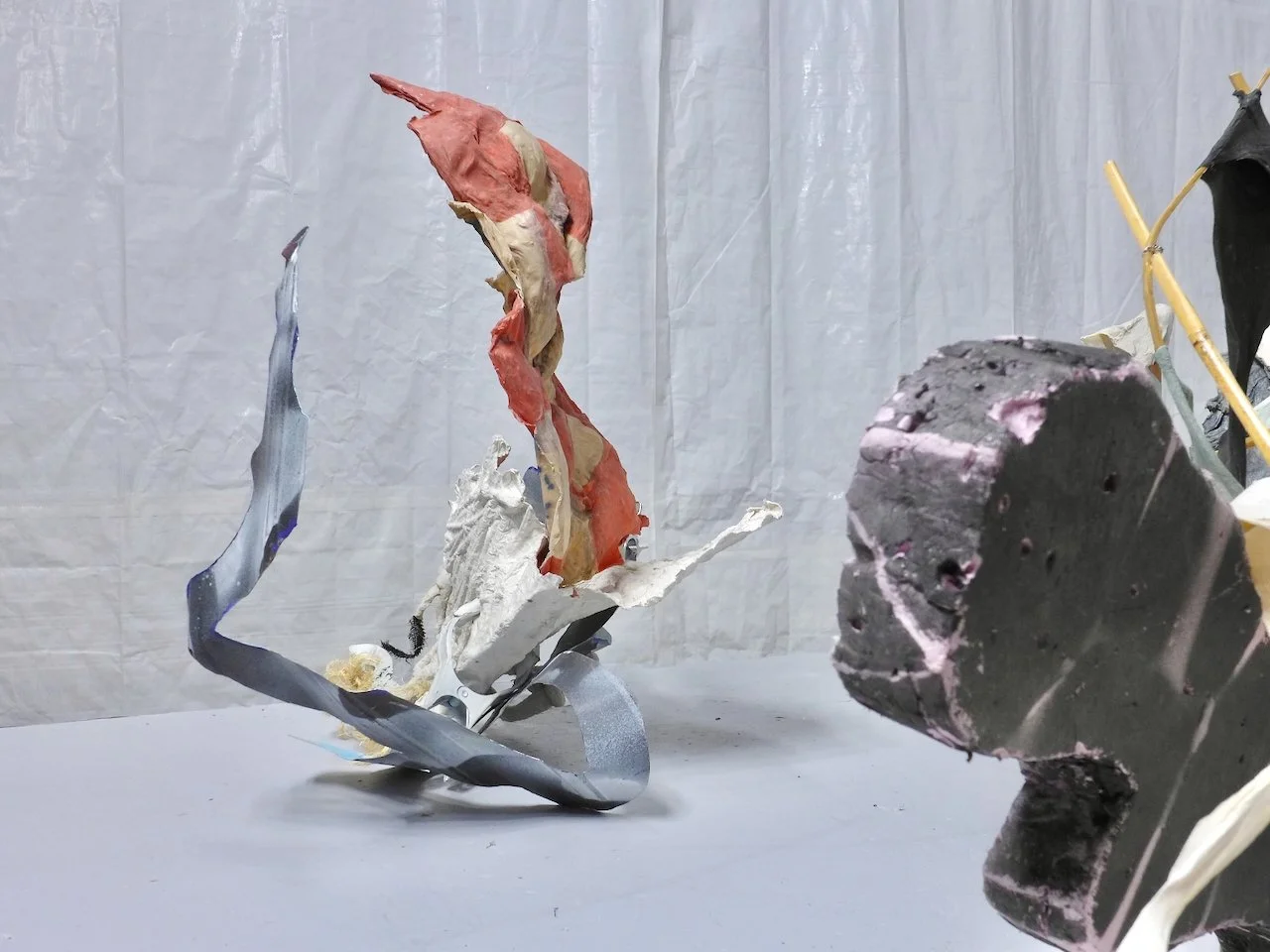
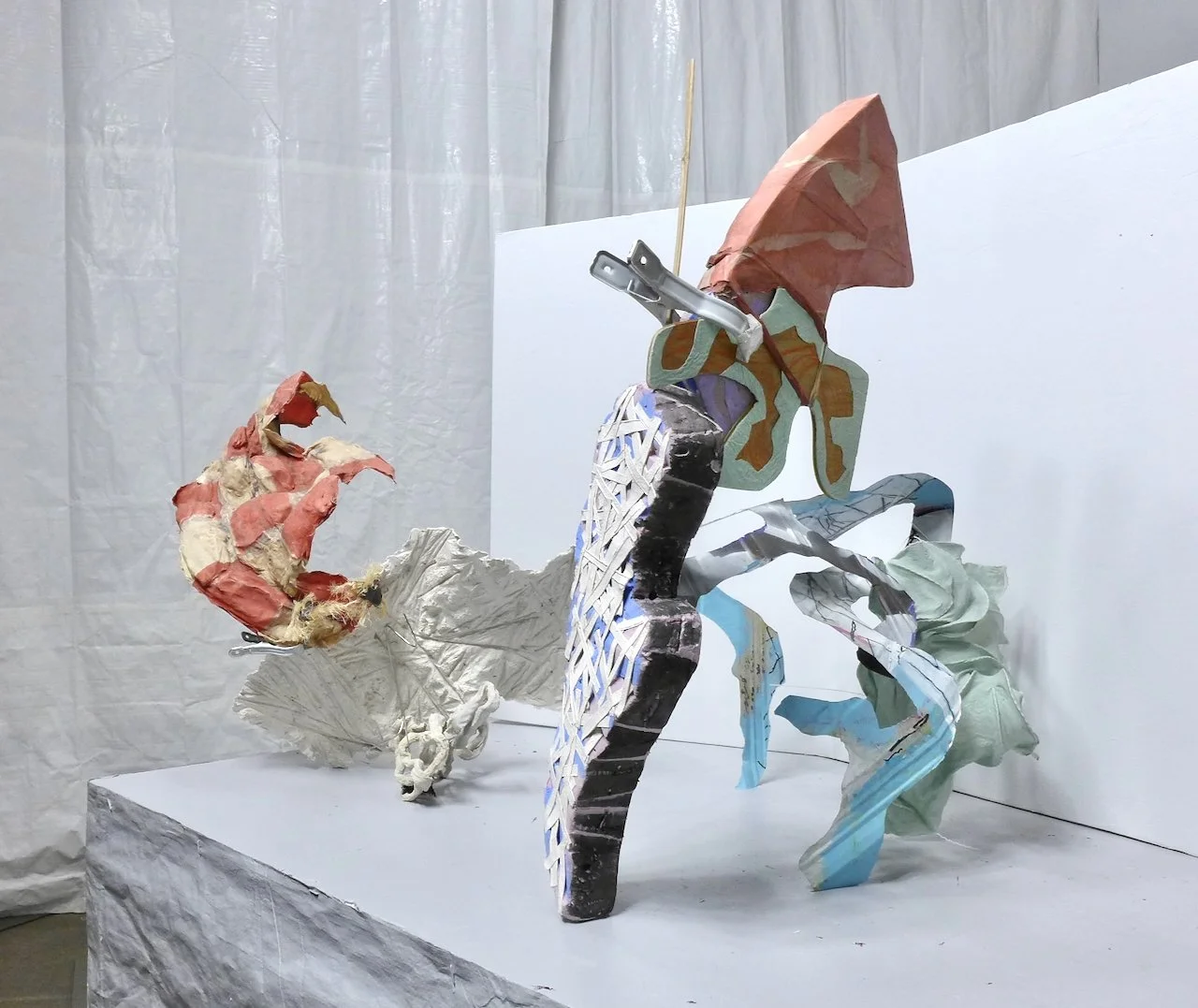
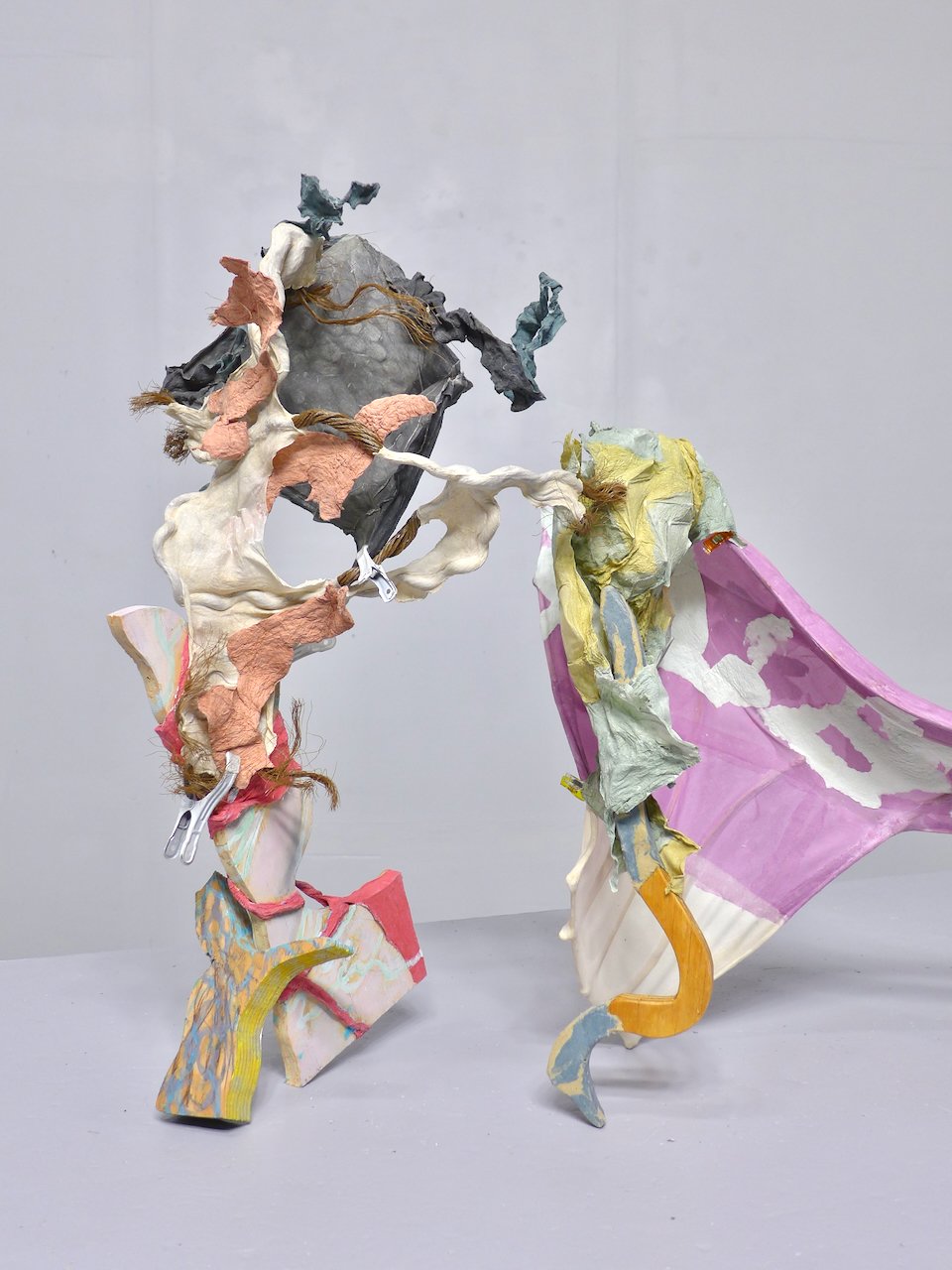
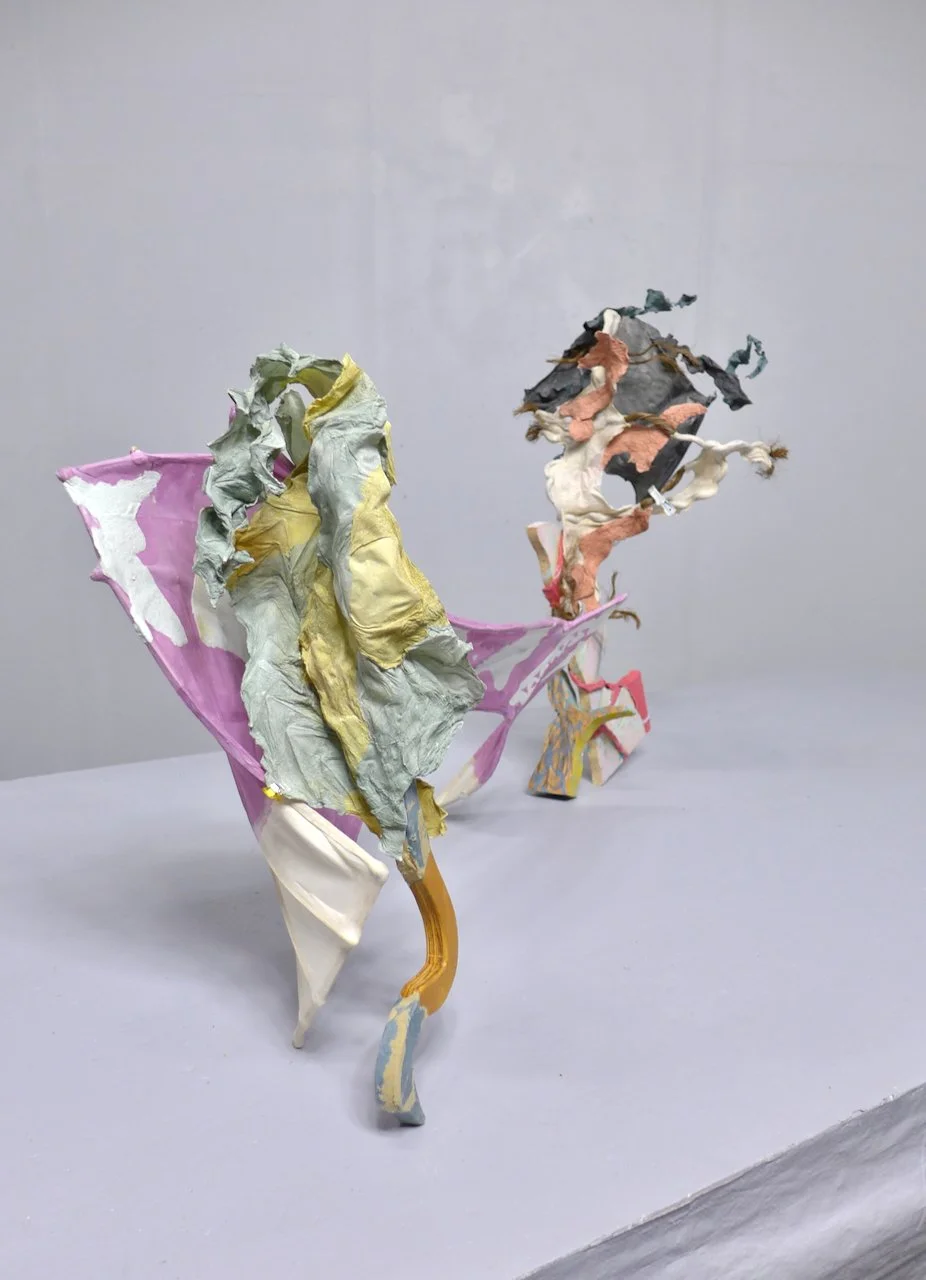
Composition with 2 sculptures.
We made a sculpture. Then we made another to relate to the first. We moved the magenta & white part from horizontal to vertical so the sculptures could interact more like figures. In the final image, the square headed figure seems to serenade the other with a flute.
March 26
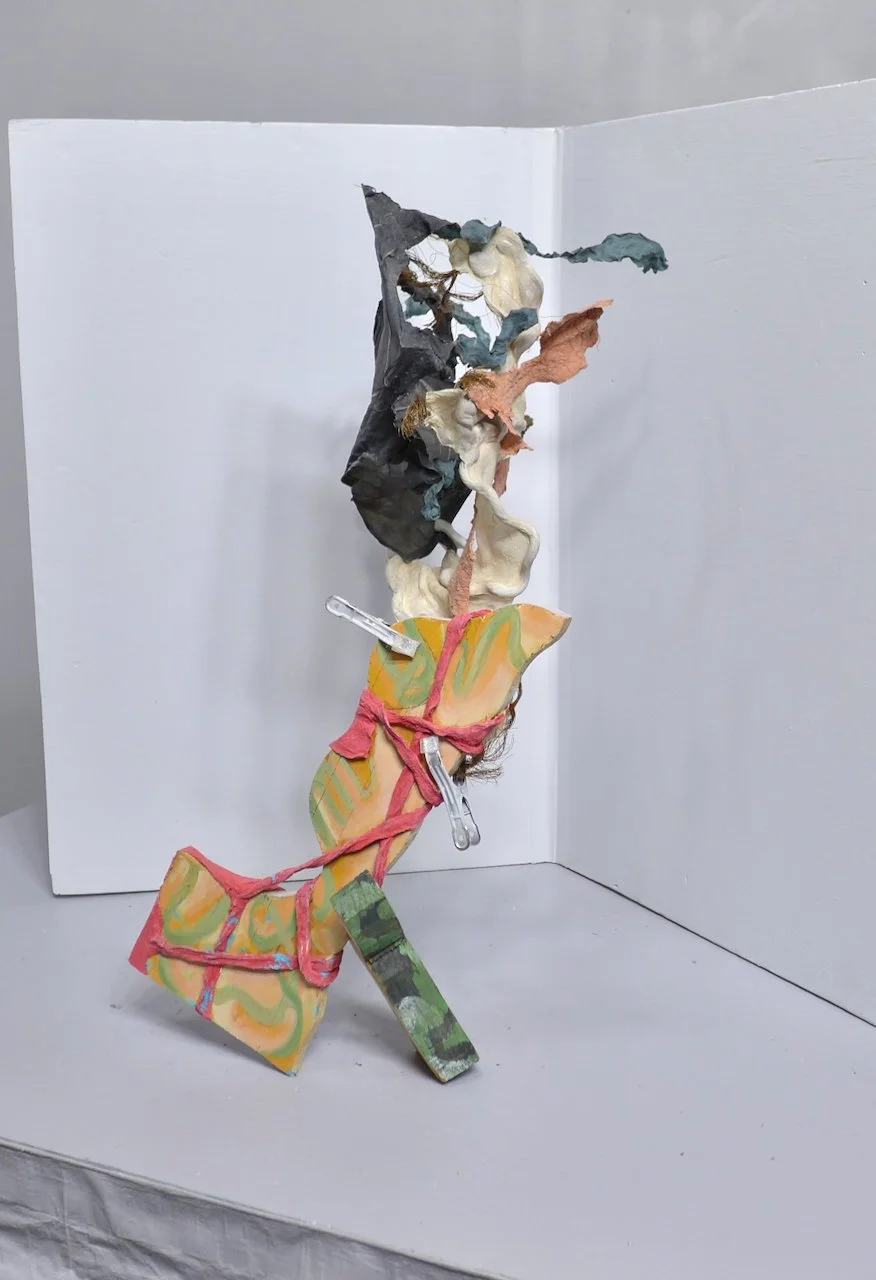
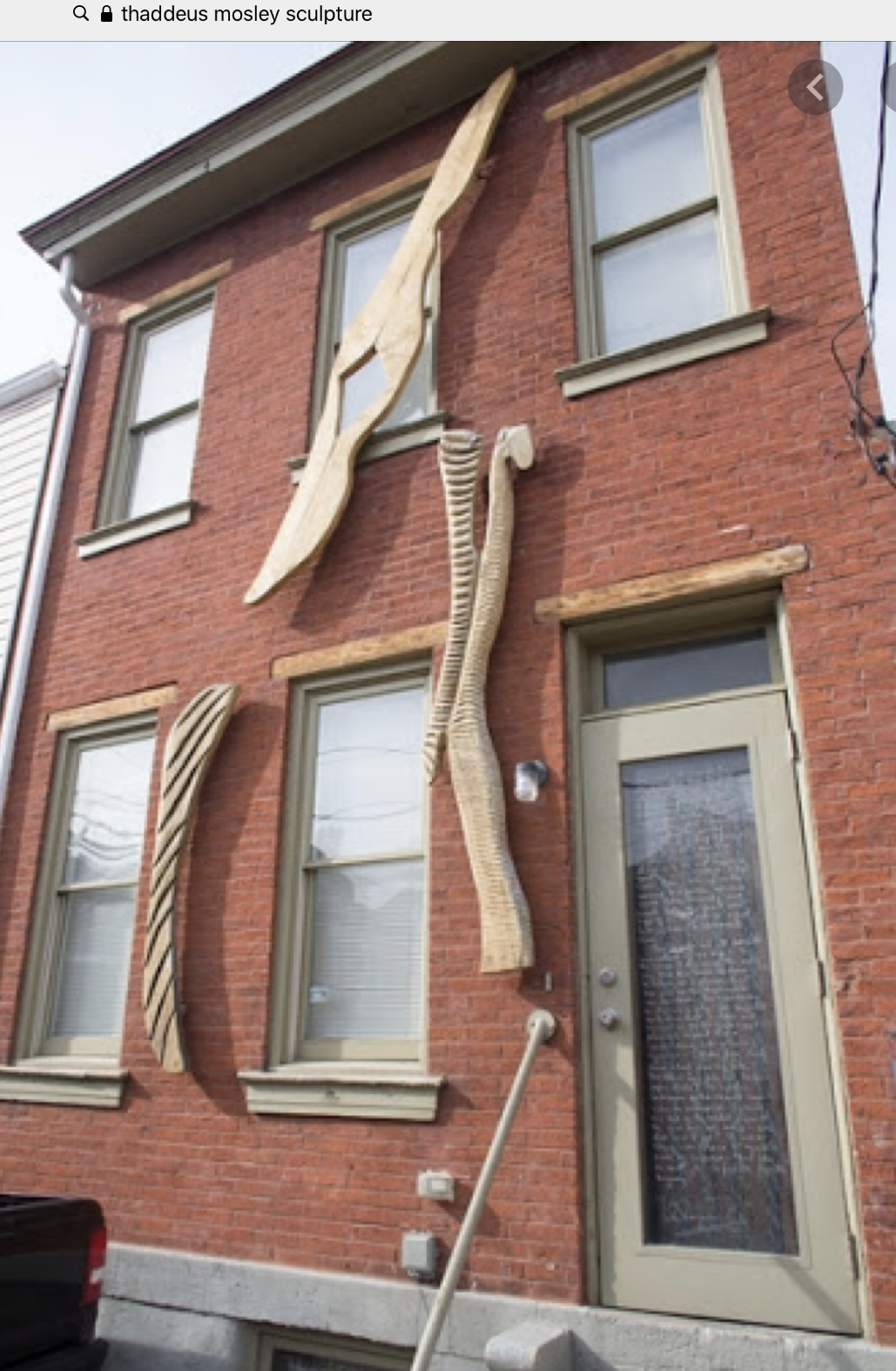
Thaddeus Mosley died in March 6.
When people asked him what he was working on, he used to reply, “I’m working on the same thing, just trying to make it look a little different.” Thank you, Mr Mosley, for keeping it simple and making it profound and beautiful.
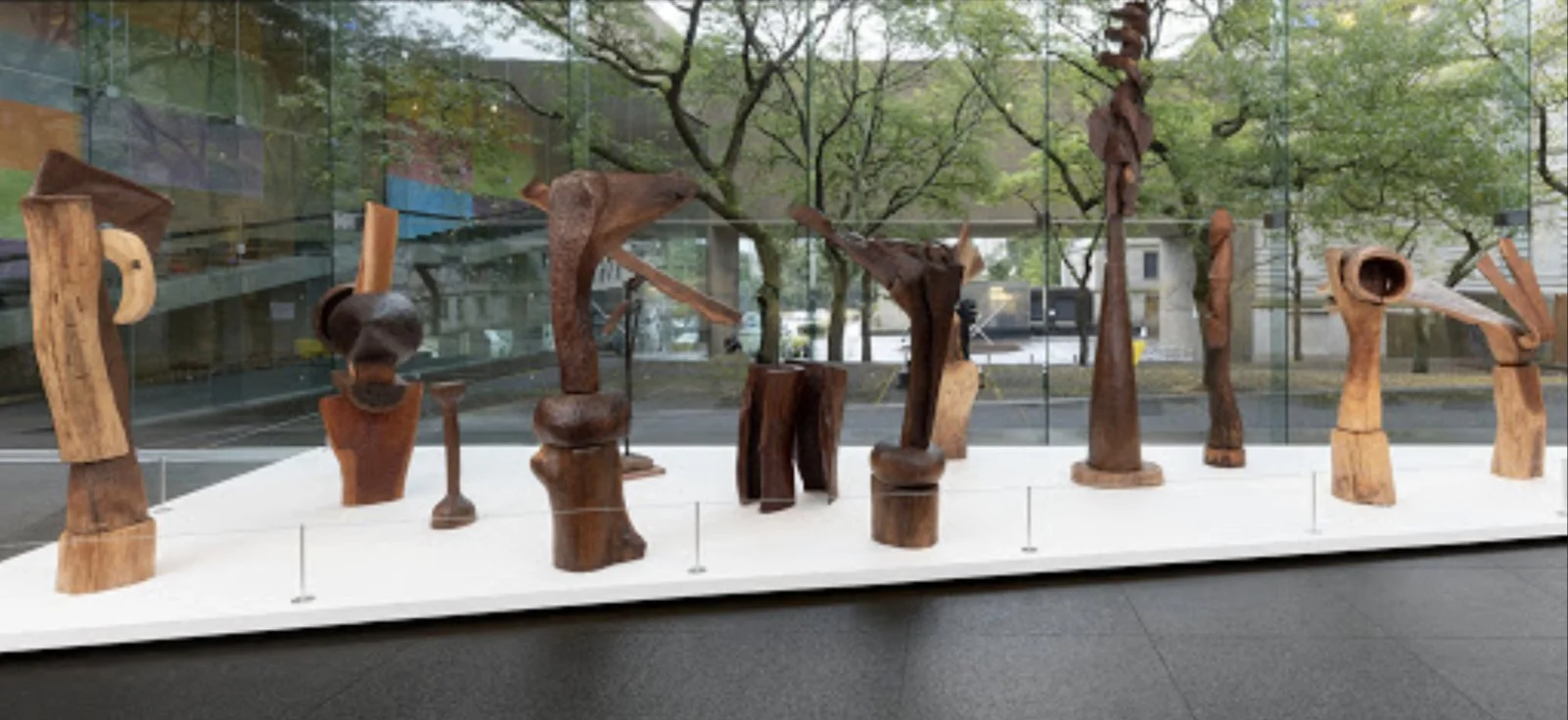
A photo of his house or studio (or both?) in Pittsburgh, Paul’s hometown, and some of his work at the Carnegie Museum. March 26
Our sculptures last less than a hour. All their parts start and end the day in a pile nearby. We put the parts together, usually 3 to 6. February 26
They’re leaned together or balanced. We use clips, wire, skewers or magnets as needed. We photograph the compositions we like and call them sculptures.
Then we might make some changes and come up with something else we like that’s similar. More photographs. Or we’ll take the piece apart and grab some other parts to compose with.
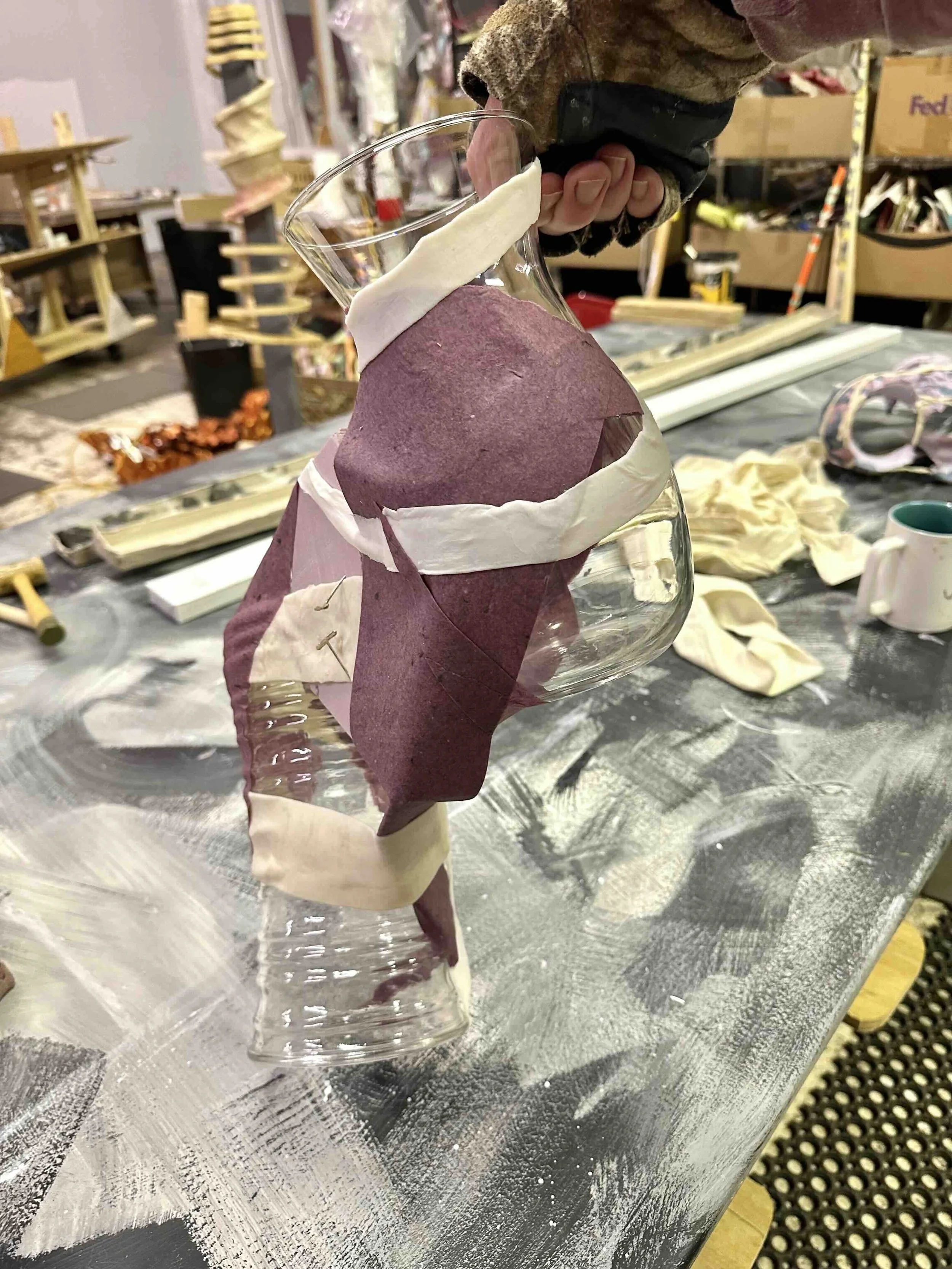
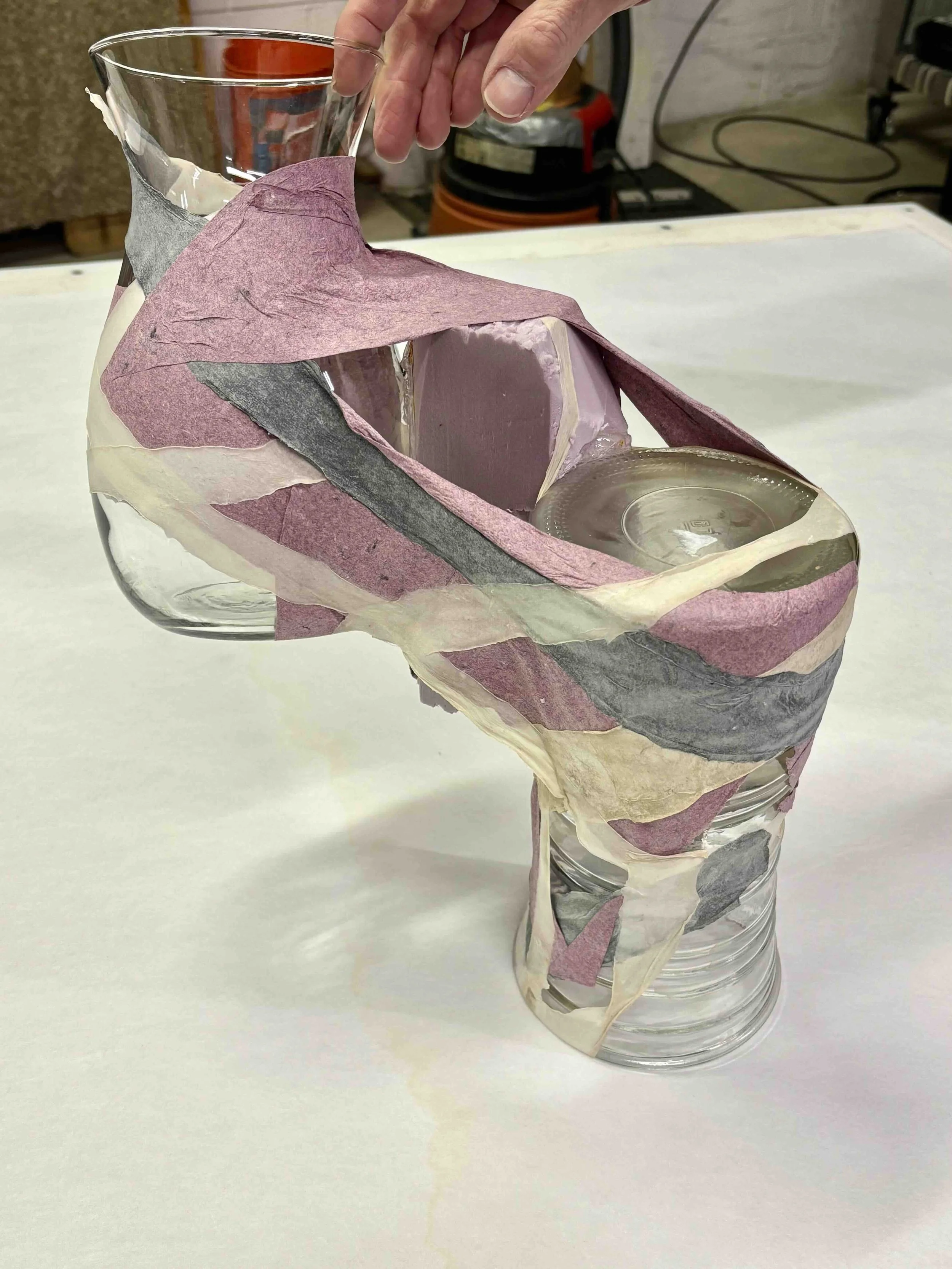
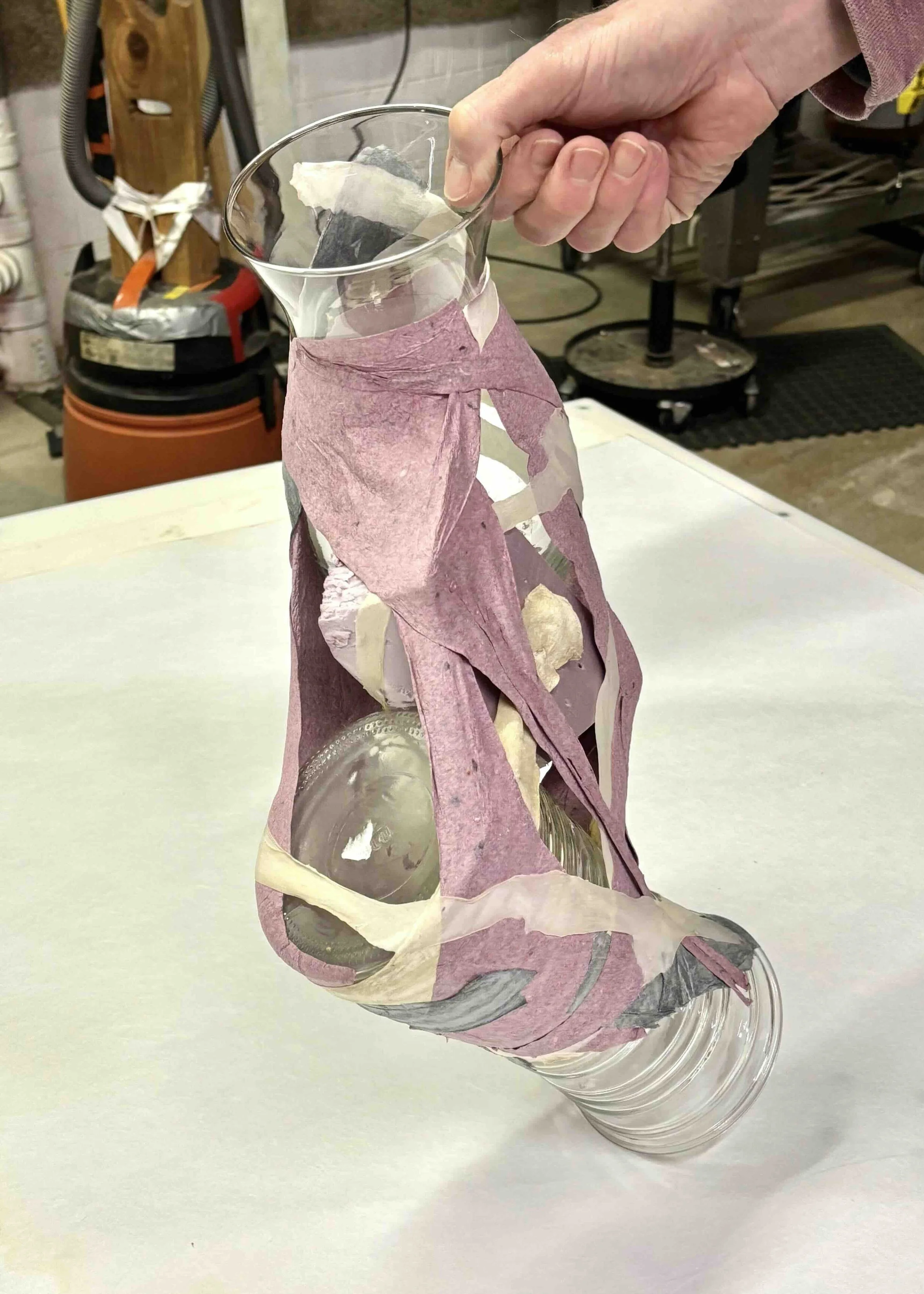
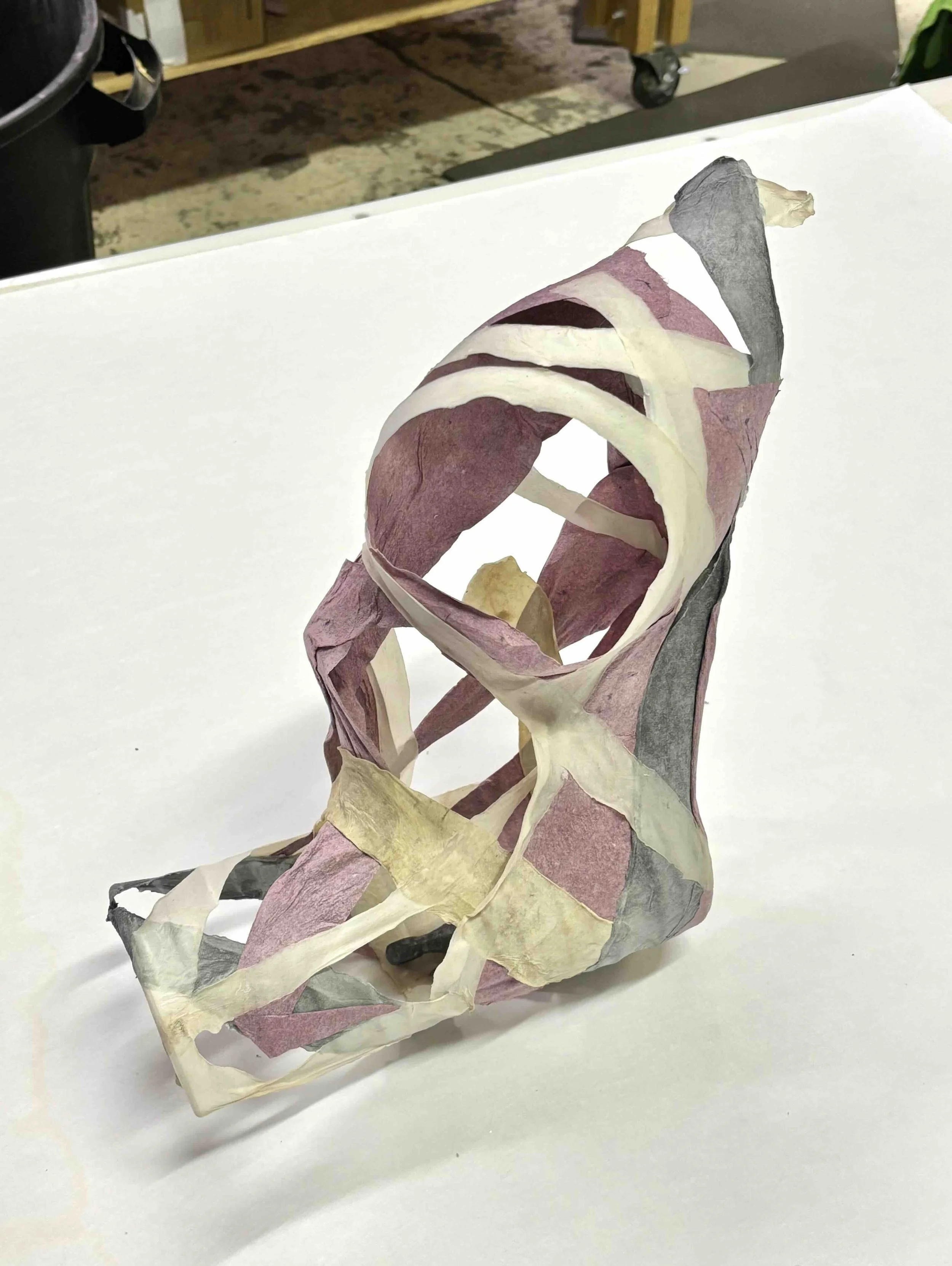
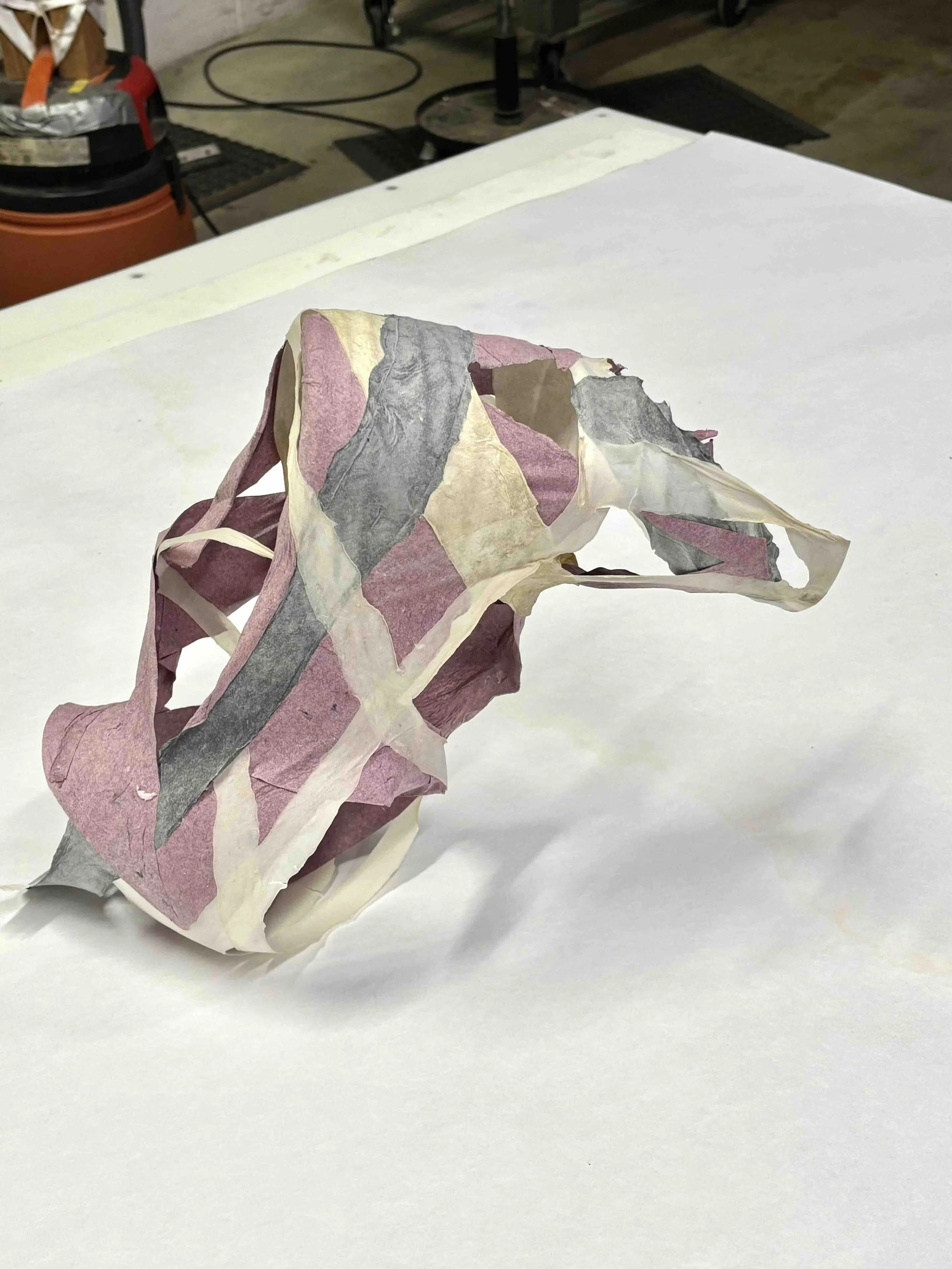
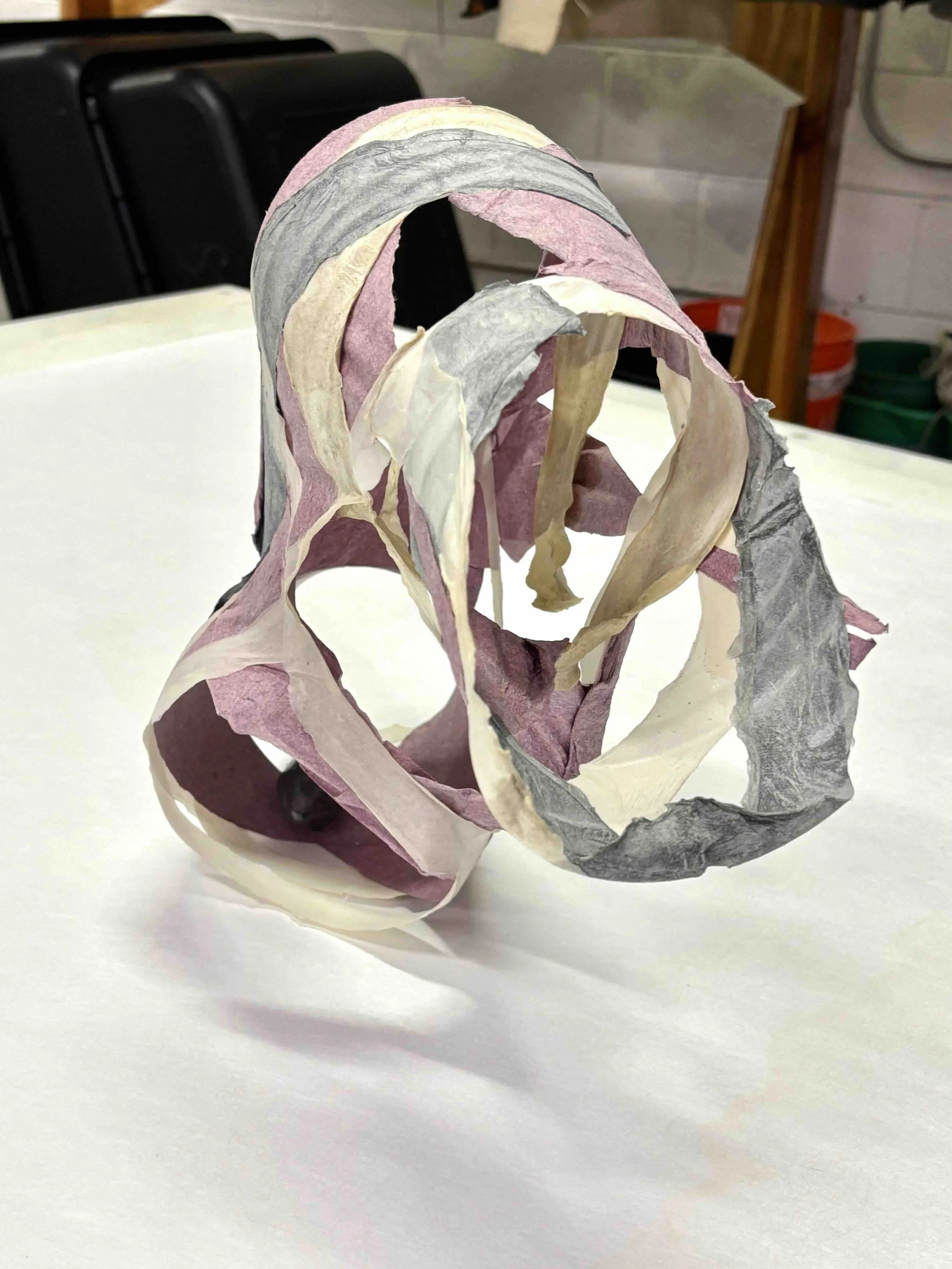
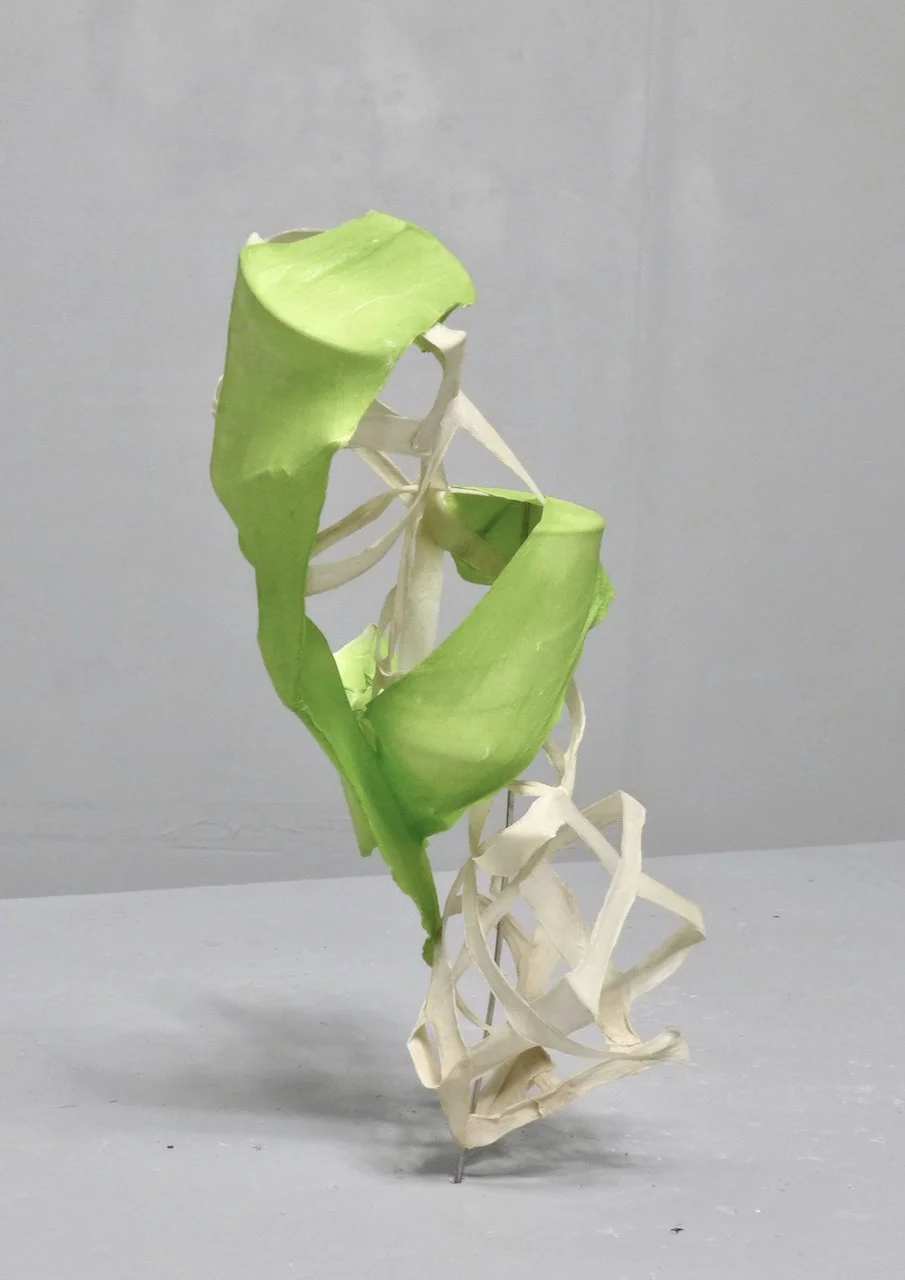
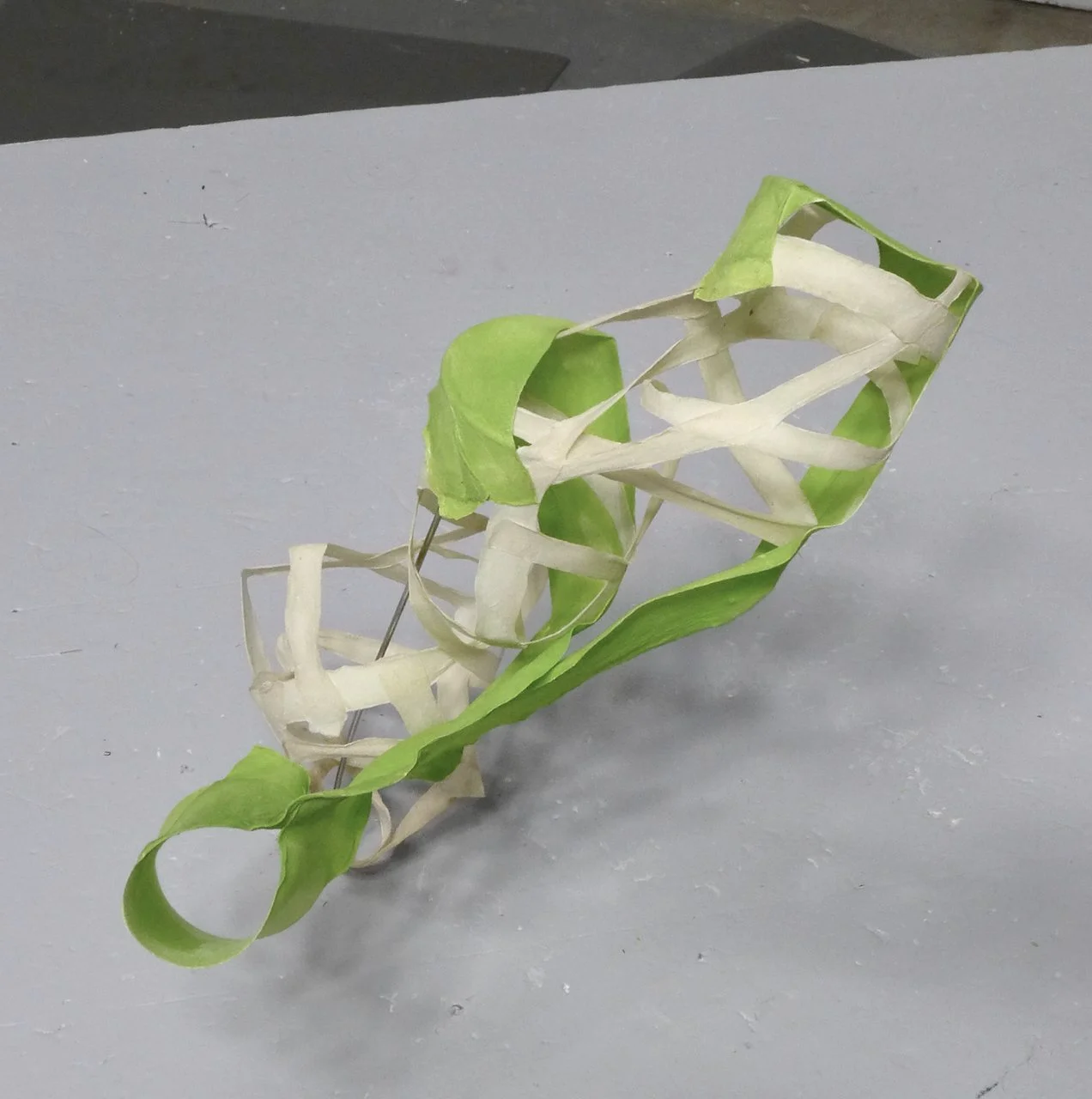
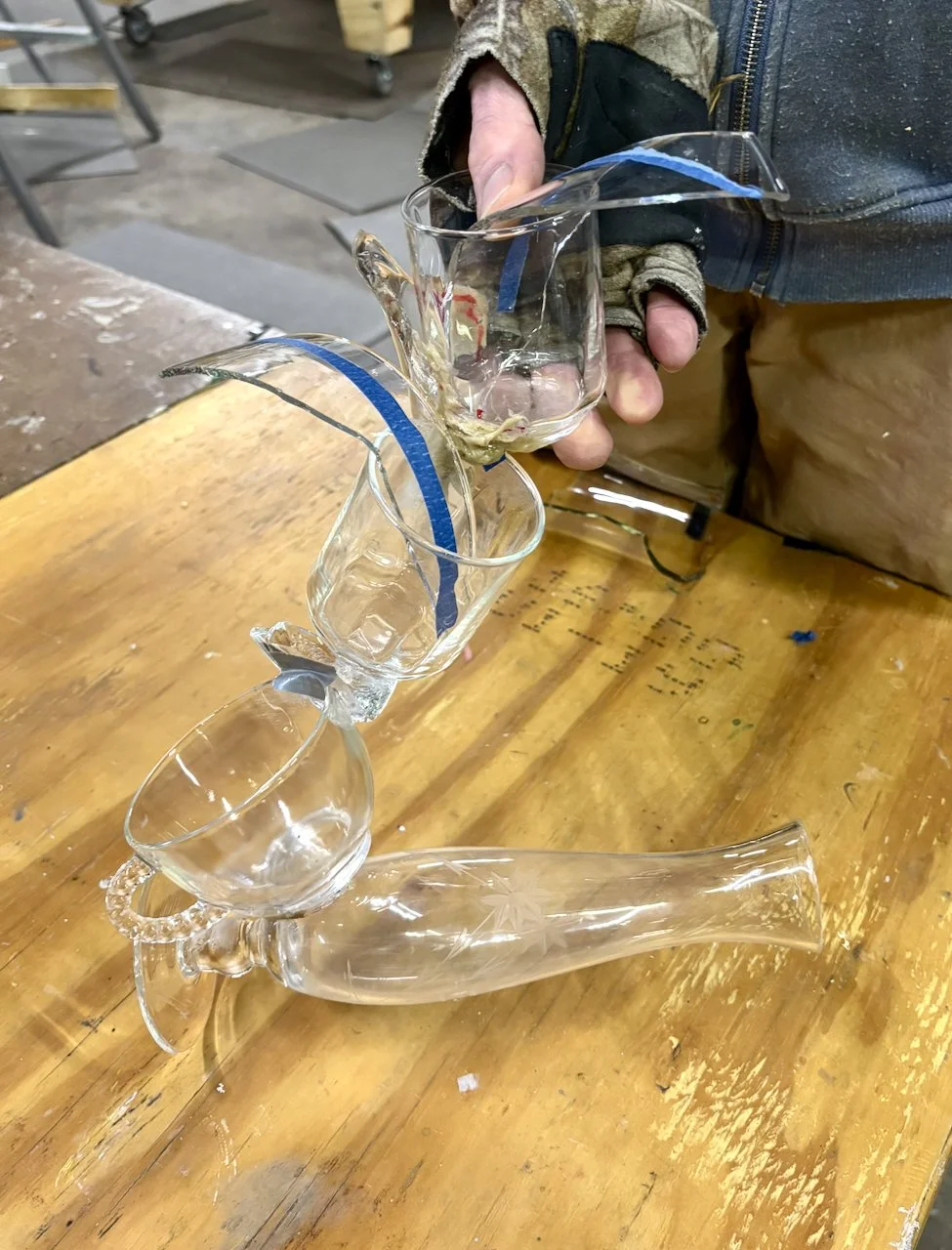
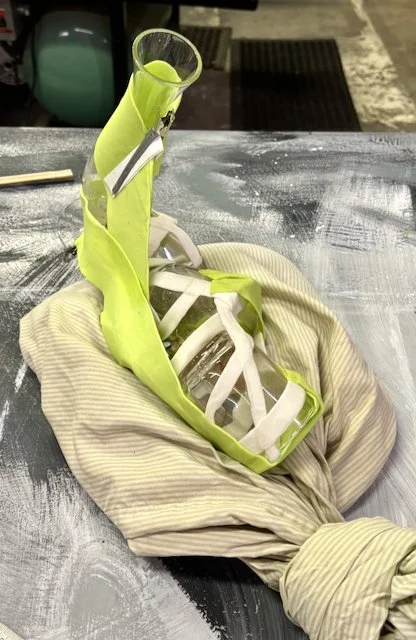
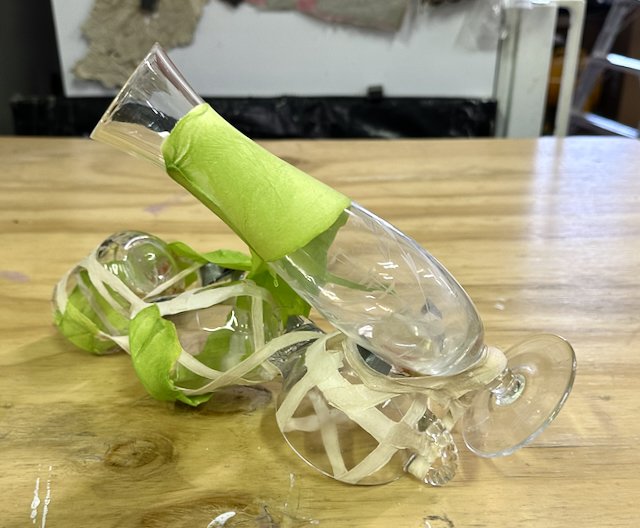
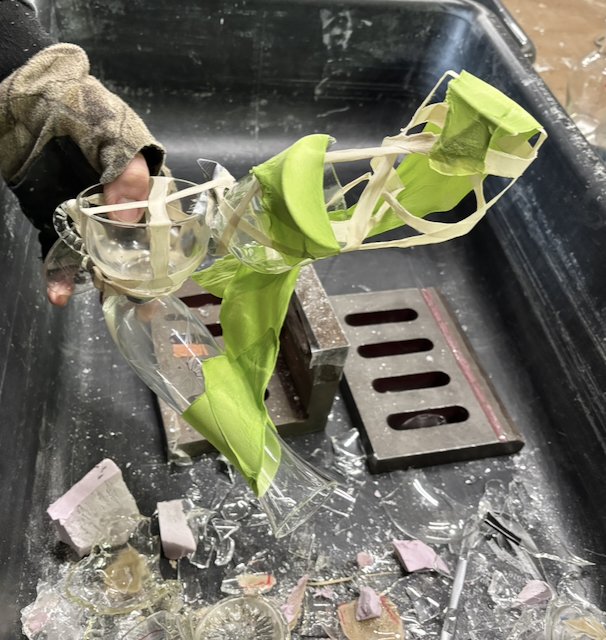
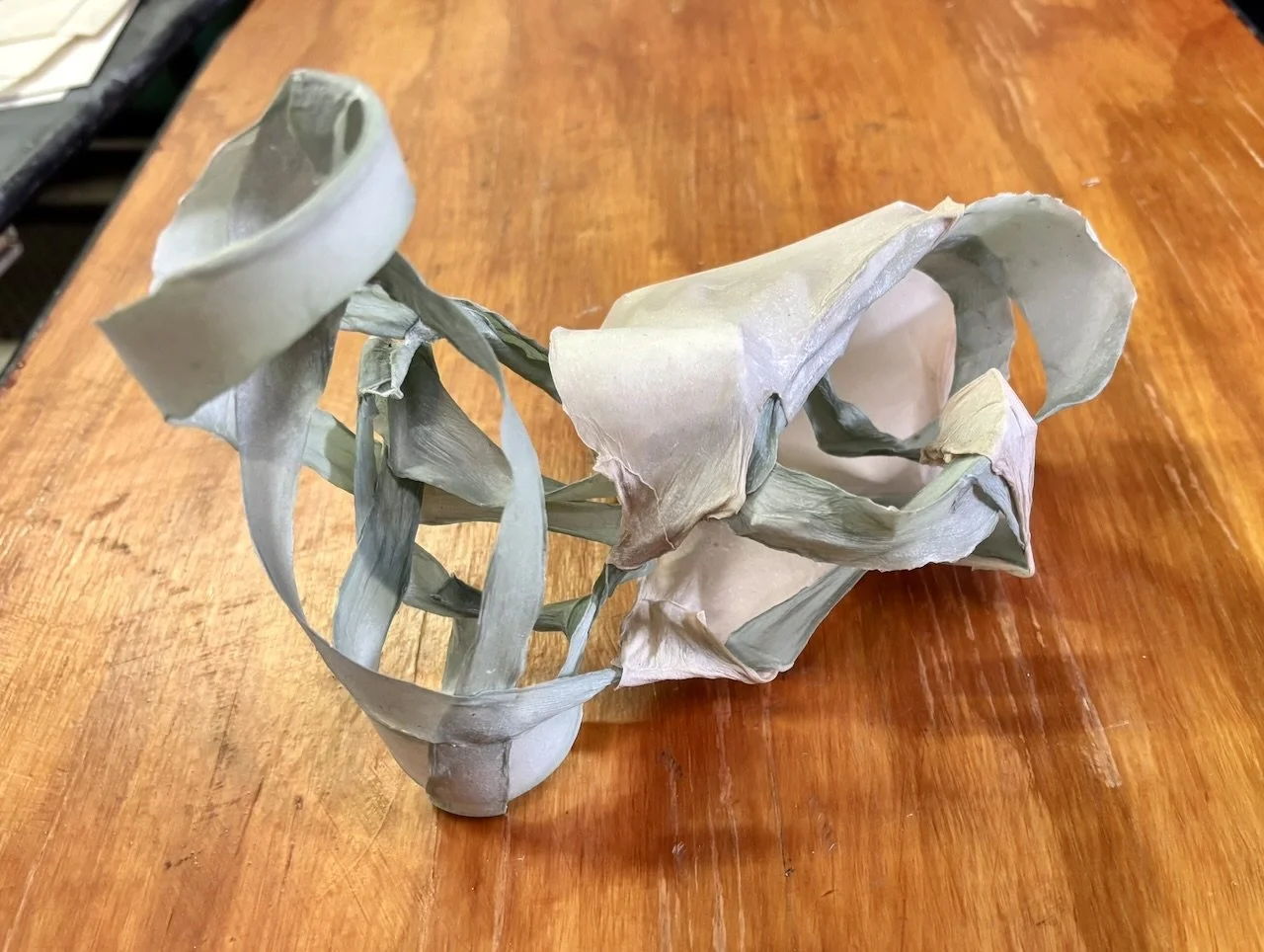
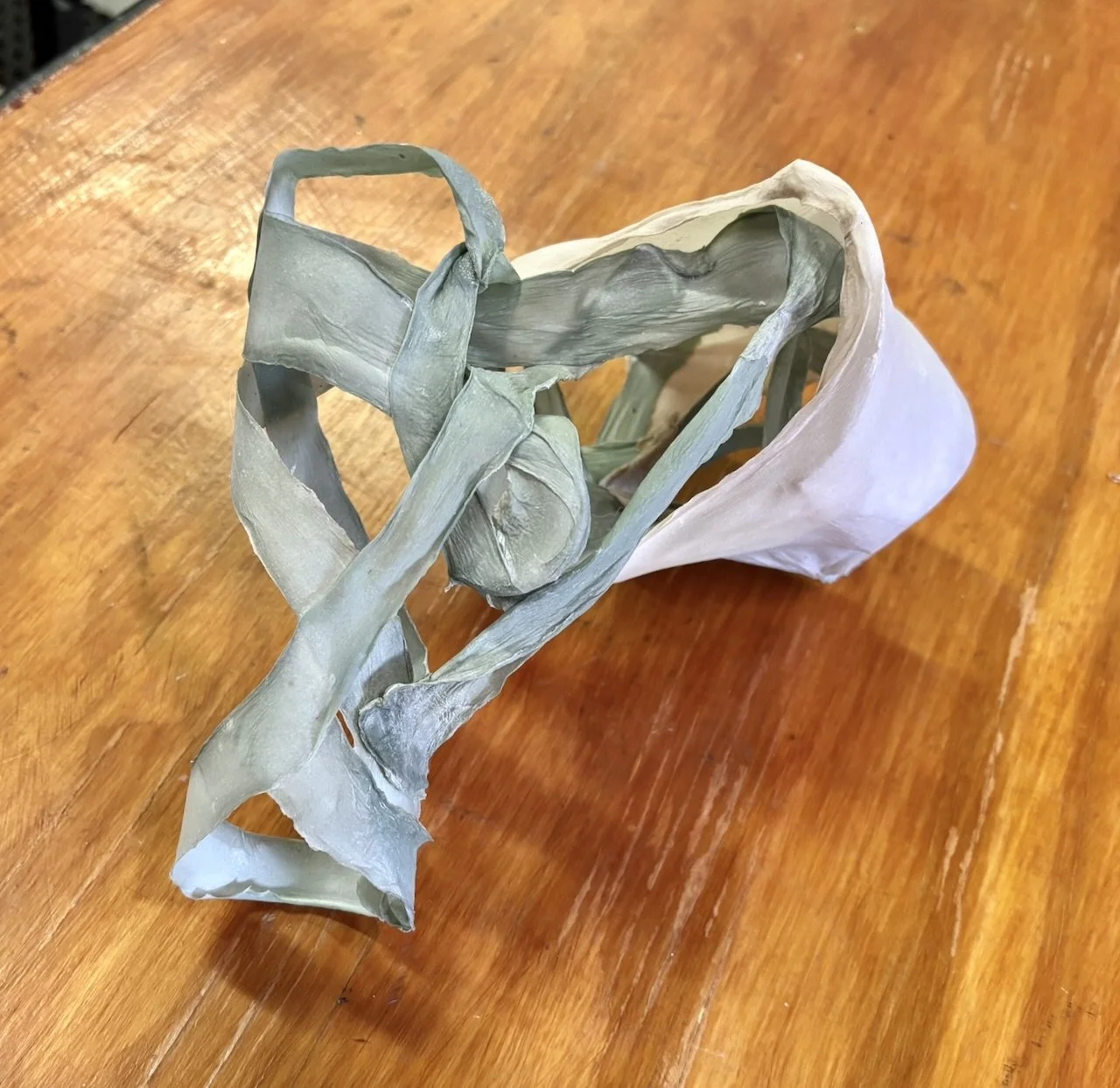
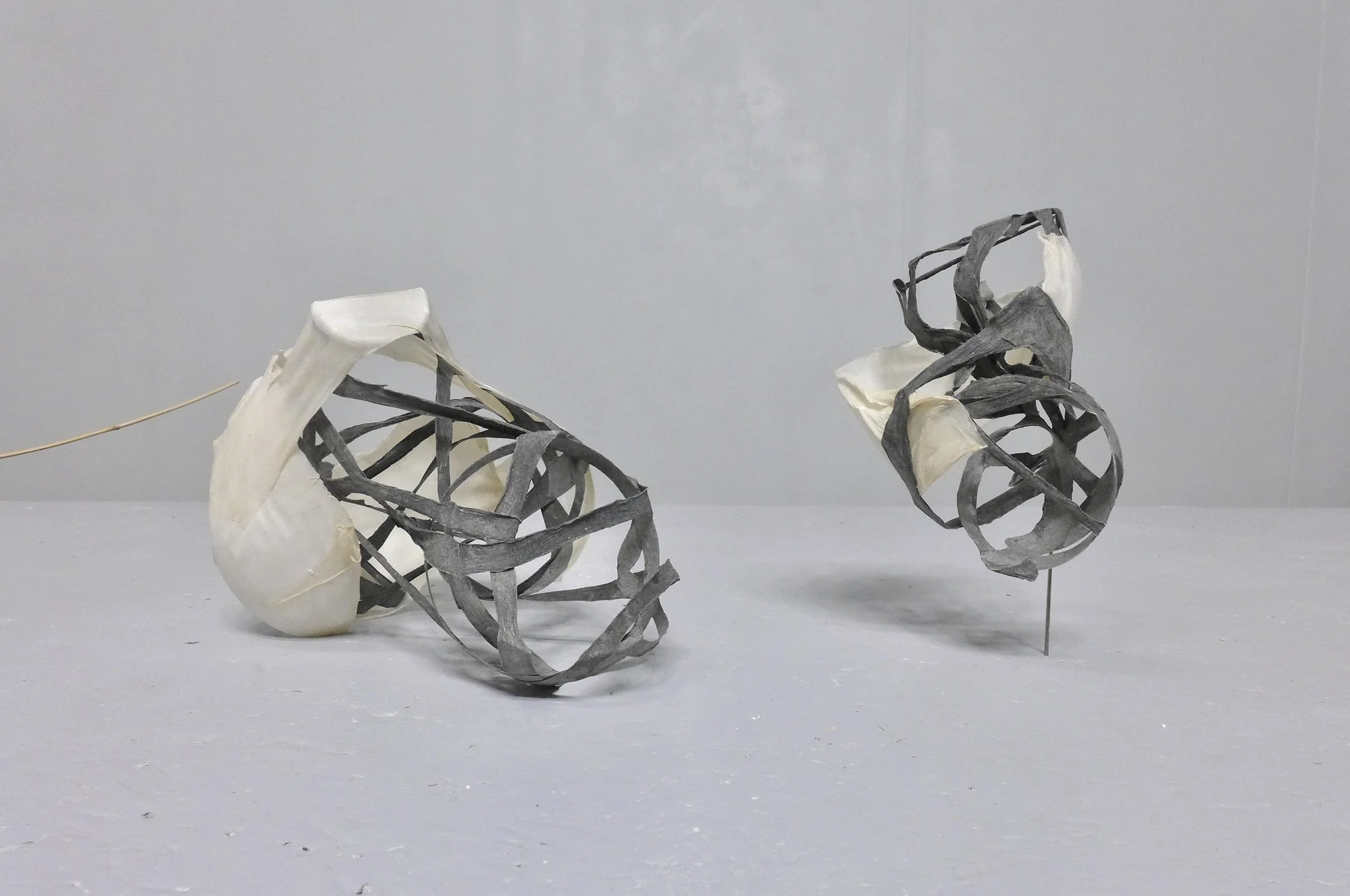
We’ve also been casting old glassware. We glue them together (E6000 or Loctite construction adhesive). Then we wrap them with handmade paper - cotton and/or overbeaten abaca. Let the paper dry and then break the glass to get it out. January 26
2024 both about 14” high. colored fiber is lightly beaten cotton linters. The white strapping is over beaten abaca.
2026 All abaca and all of 10” x 9” x 4”.
We like the strange empty volumes of the missing glass. We like to have some broad straps recalling the glass form contrasting and crisscrossing the abaca that provides the structure for the paper forms.
from 2025. cotton with red pink overbeaten abaca. 8” x 10” x 6”. We used standard flower shop vases.
The emerald green is cotton rag and the white is bleached and unbleached overbeaten abaca. 2025 about 16” high
As we say, we usually “sculpt” by putting objects we’ve made into an artful composition. With these lost glass casts, we find strange and kinda retro even like we did something wrong when they come out looking like full blown sculptures.
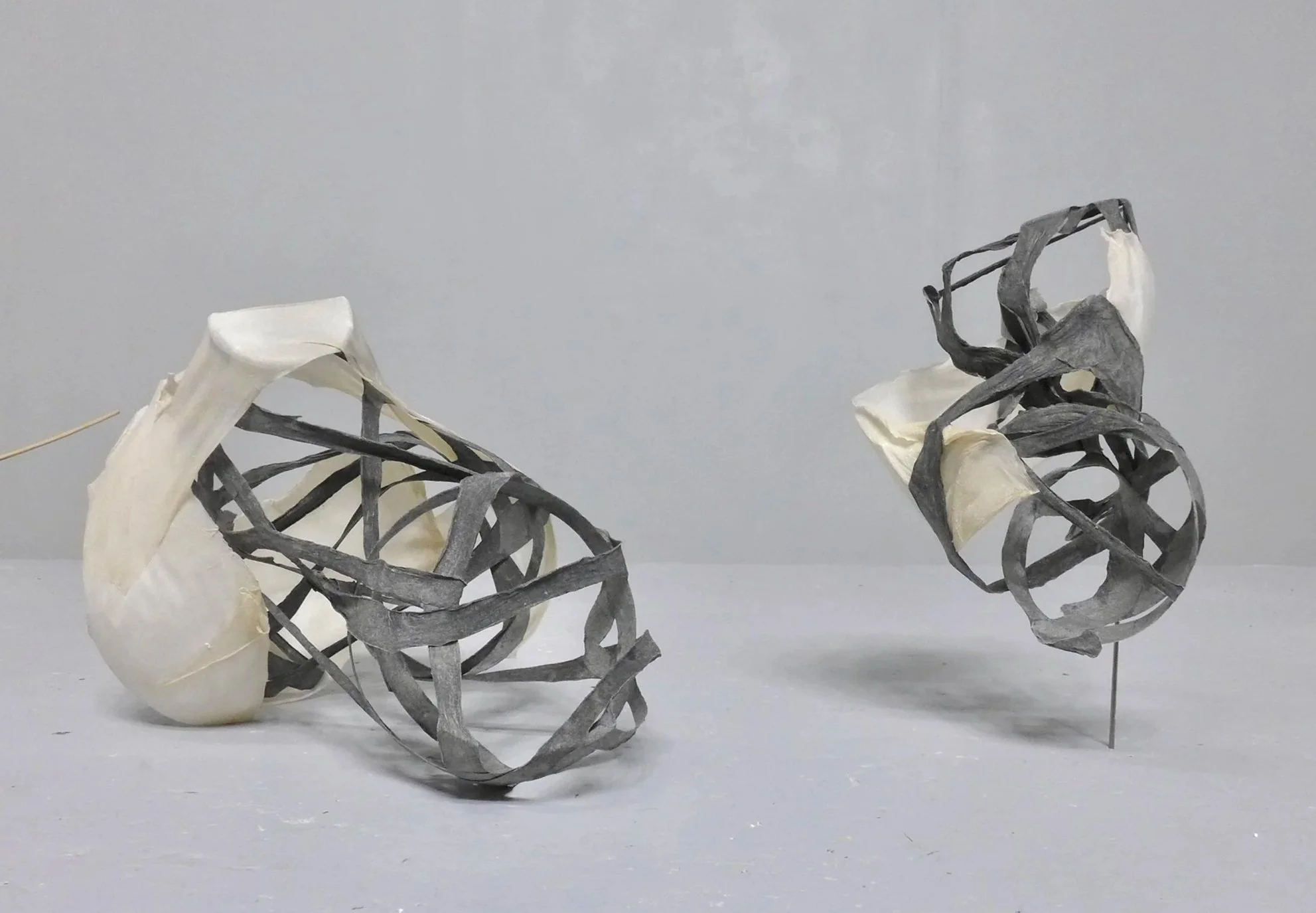
over beaten abaca fiber. 2026 each is about 10” high
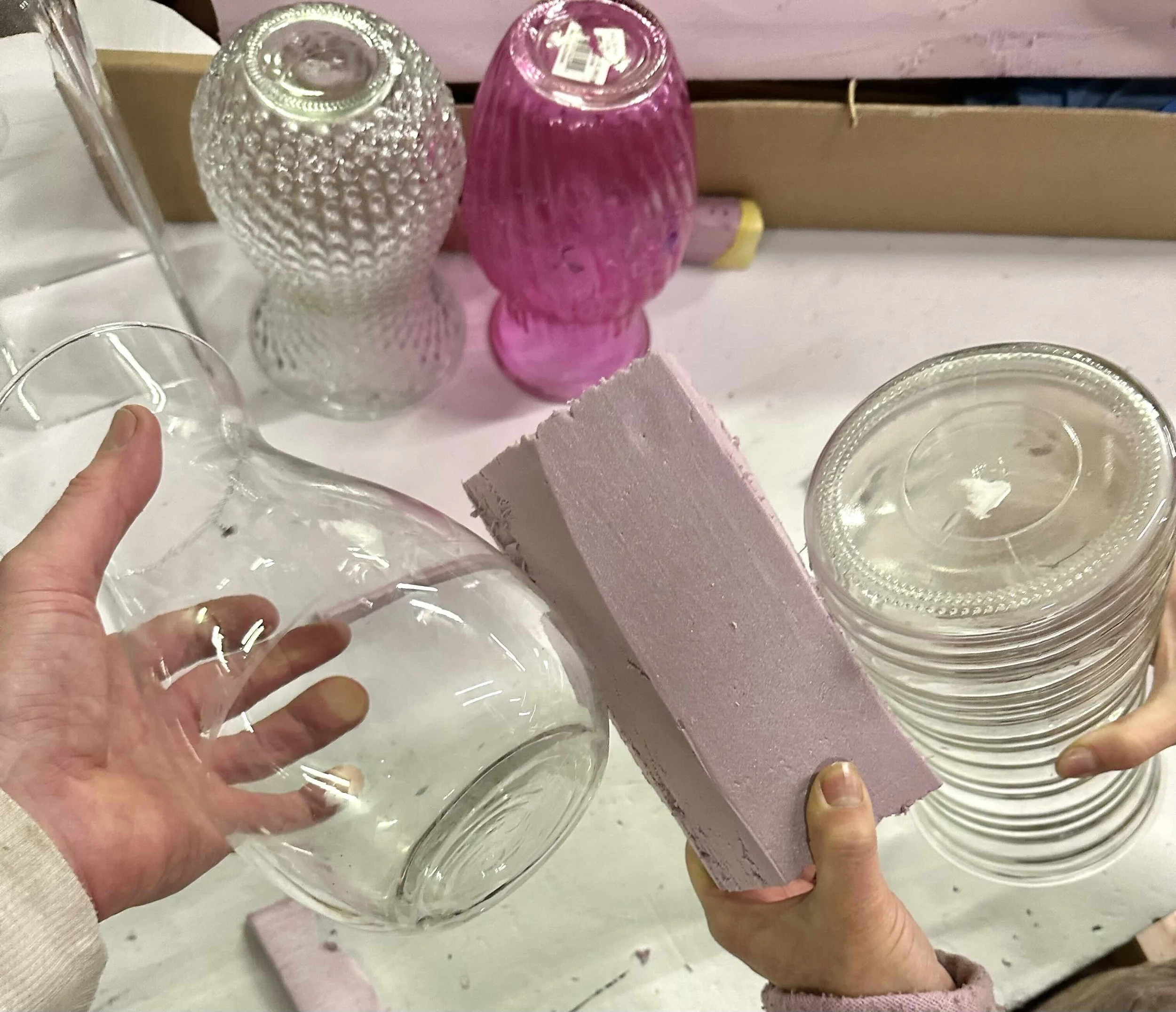
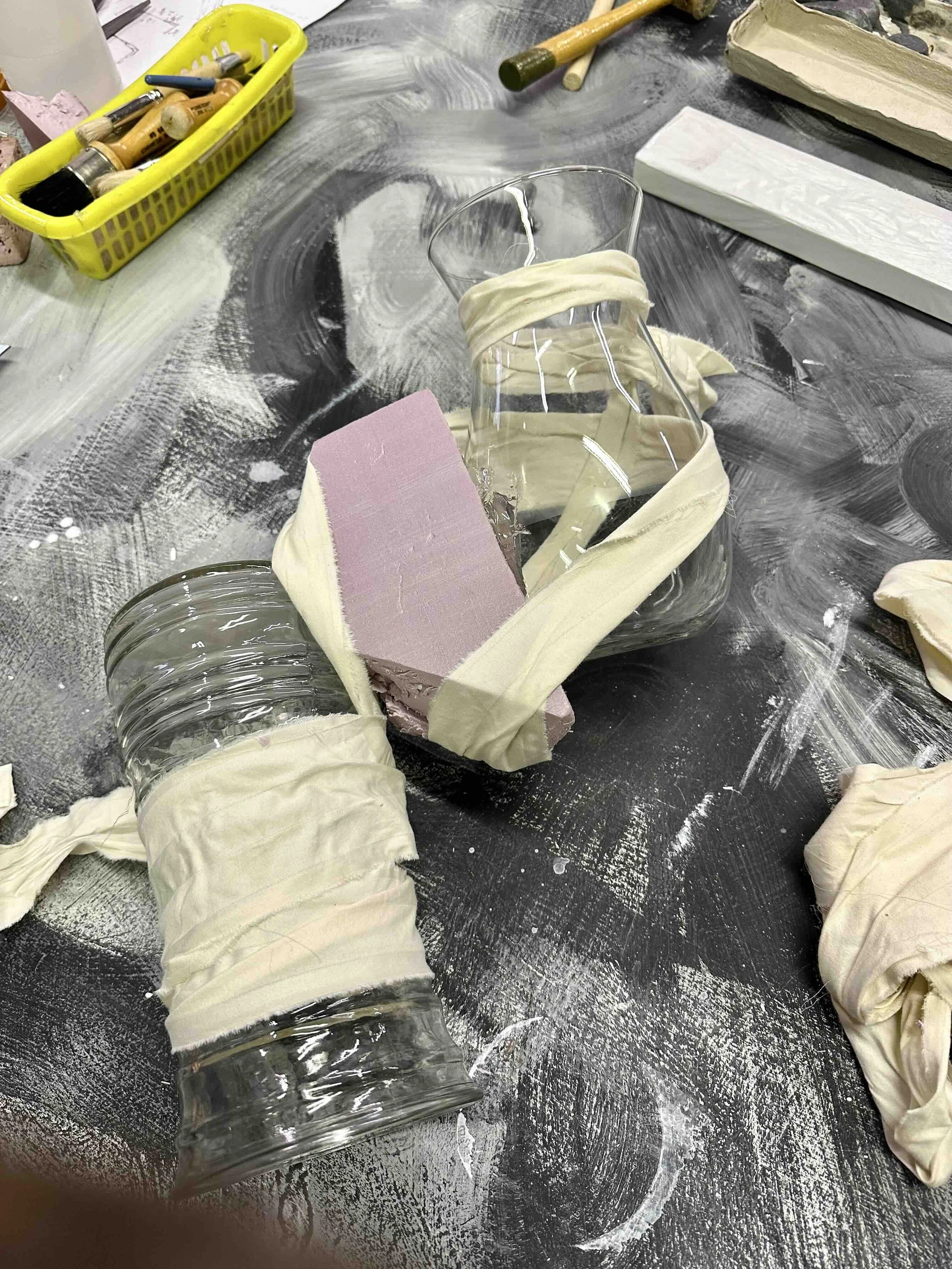
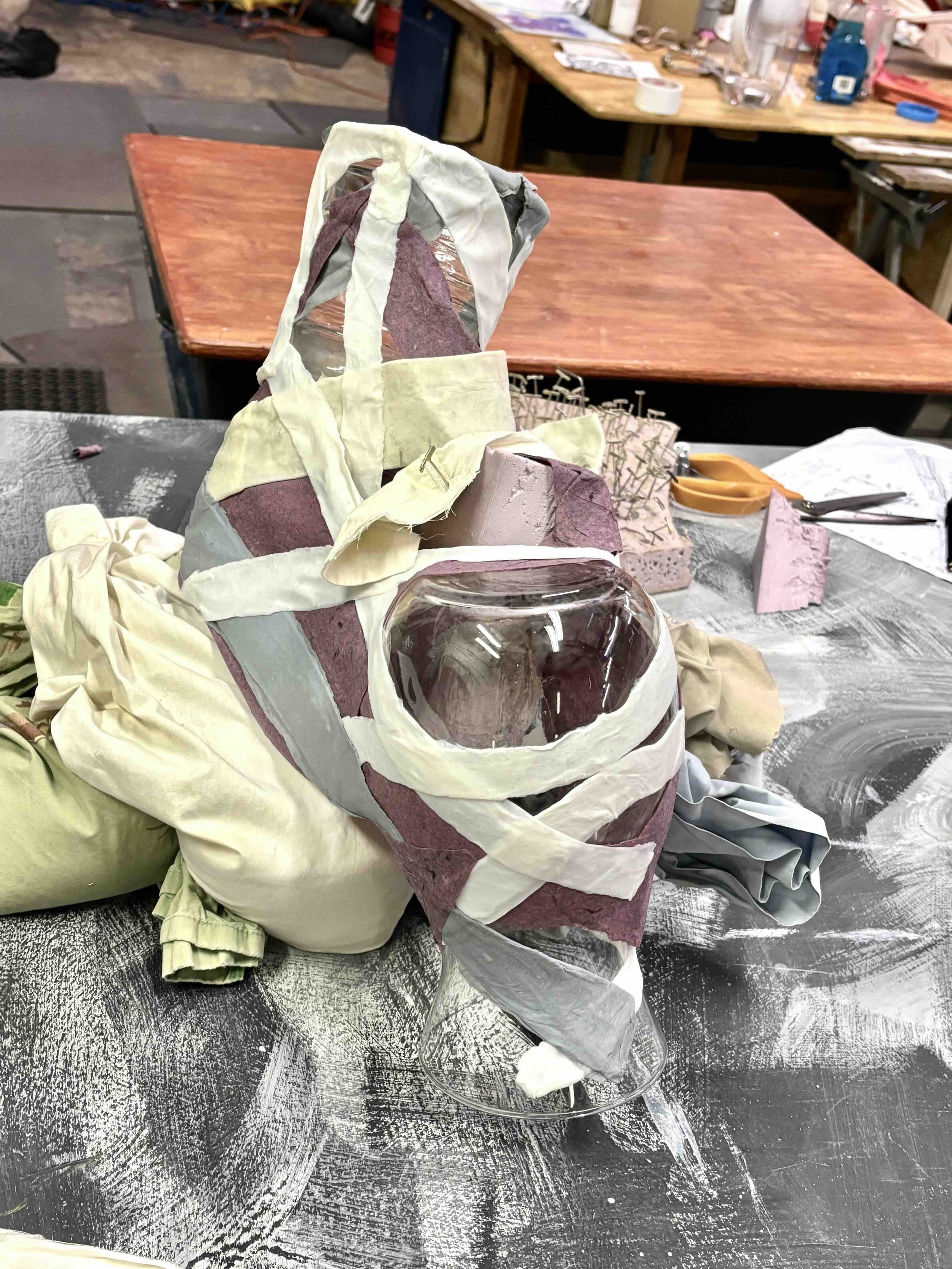
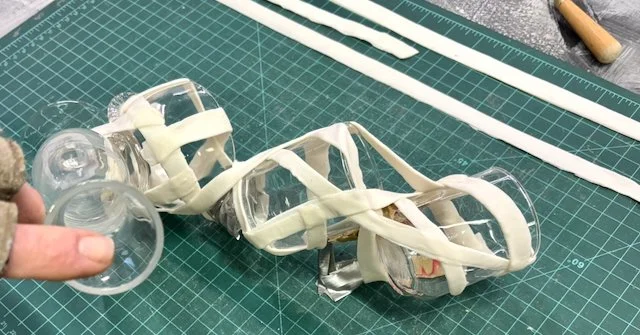

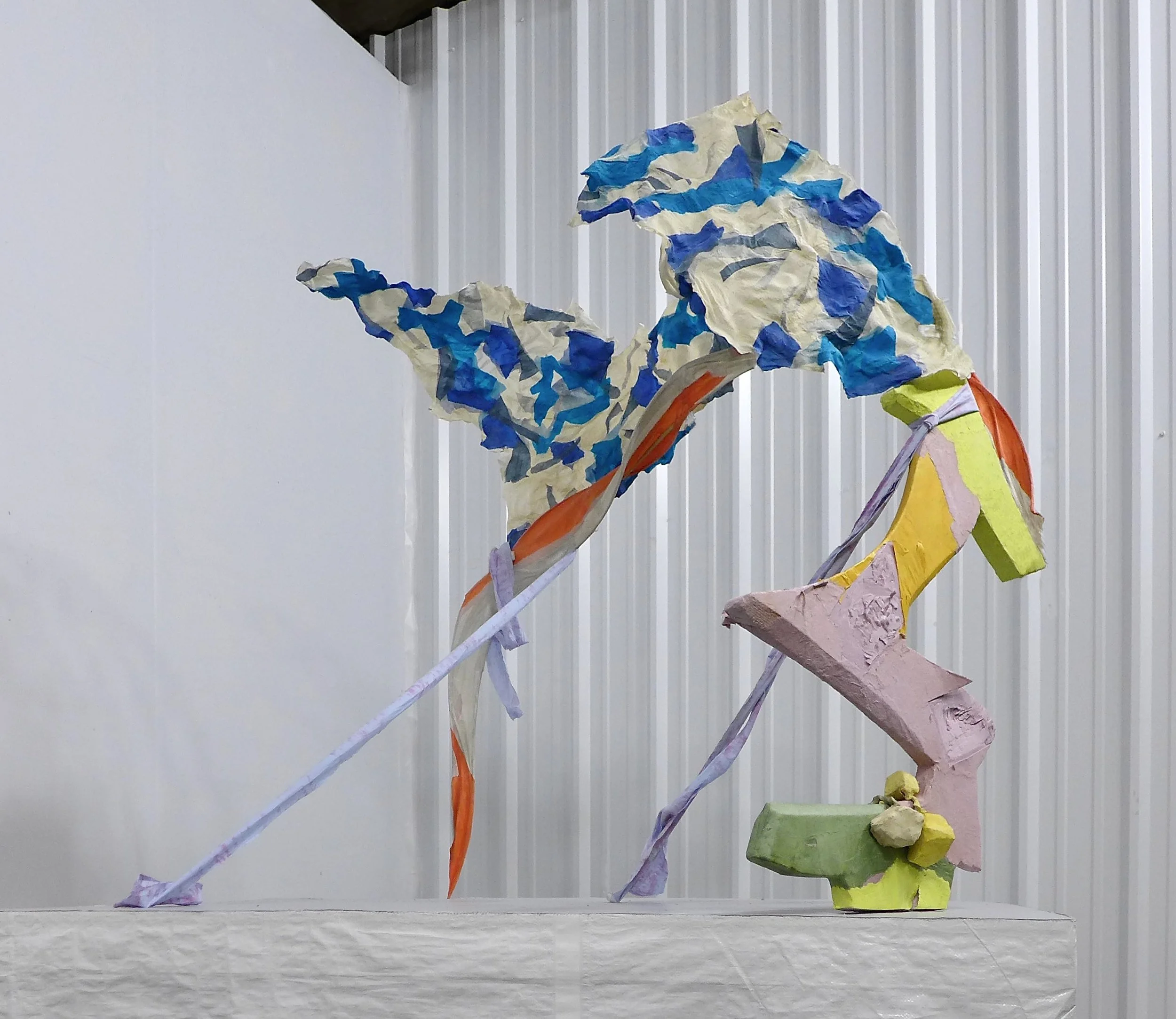

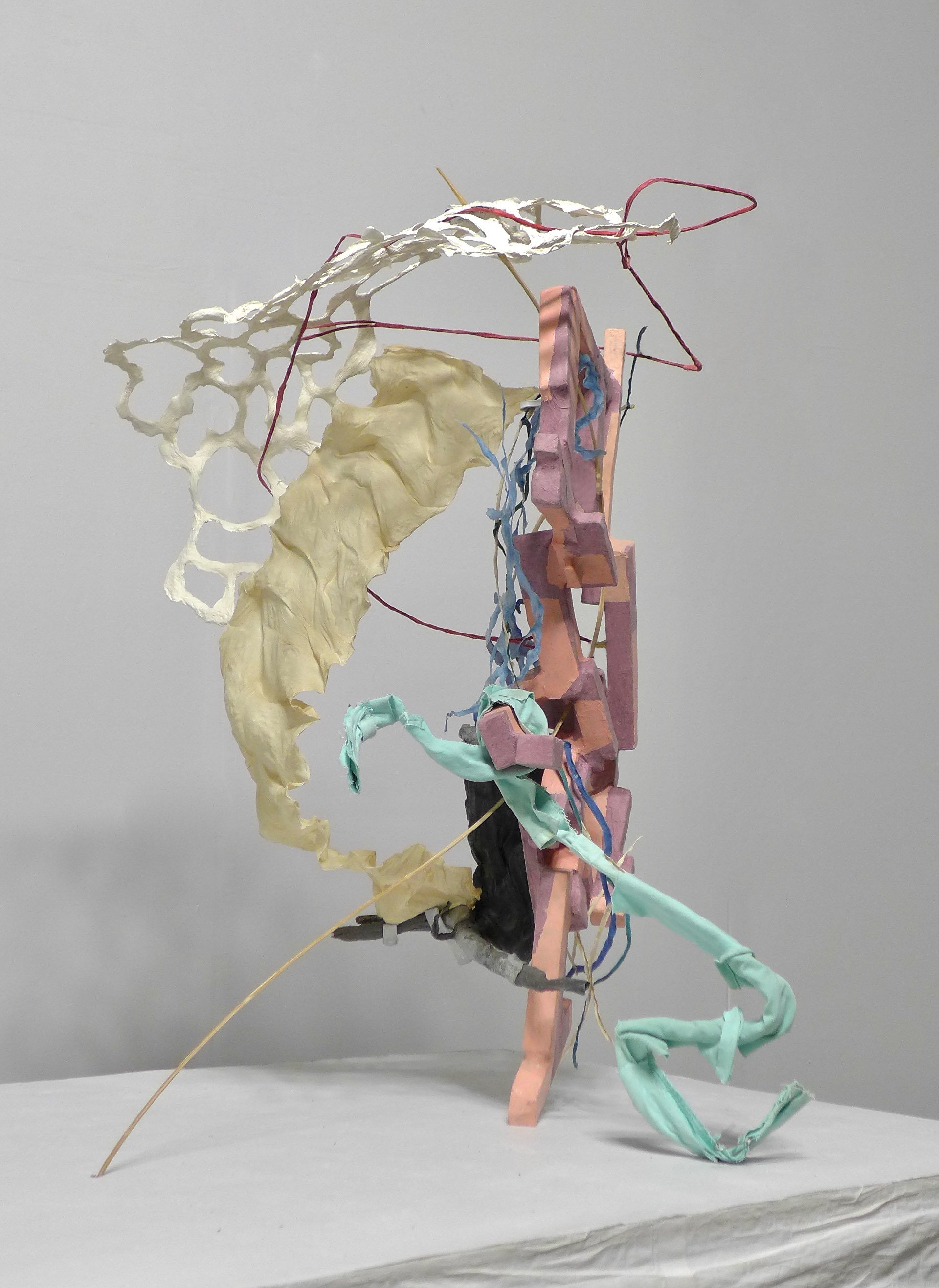


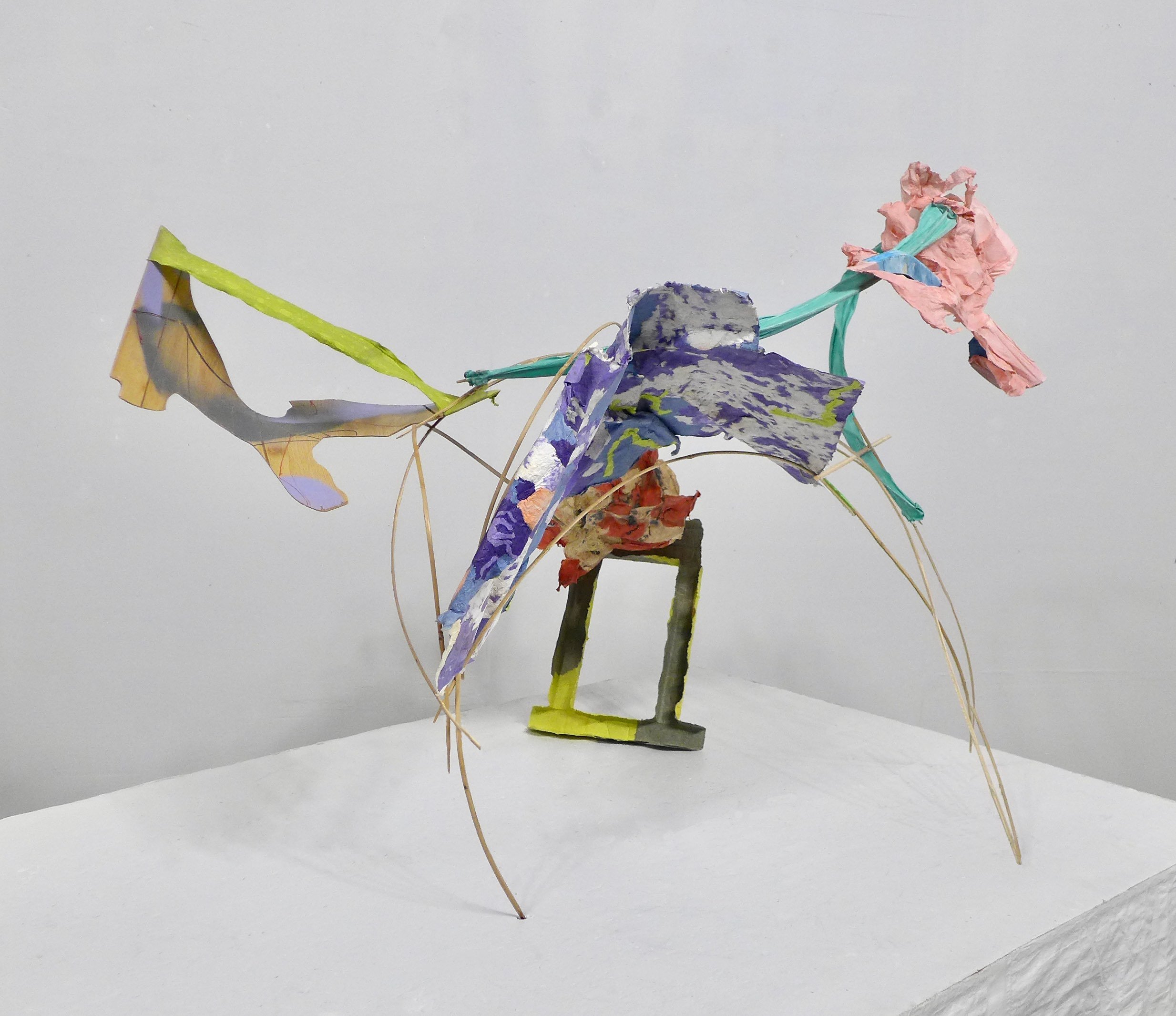
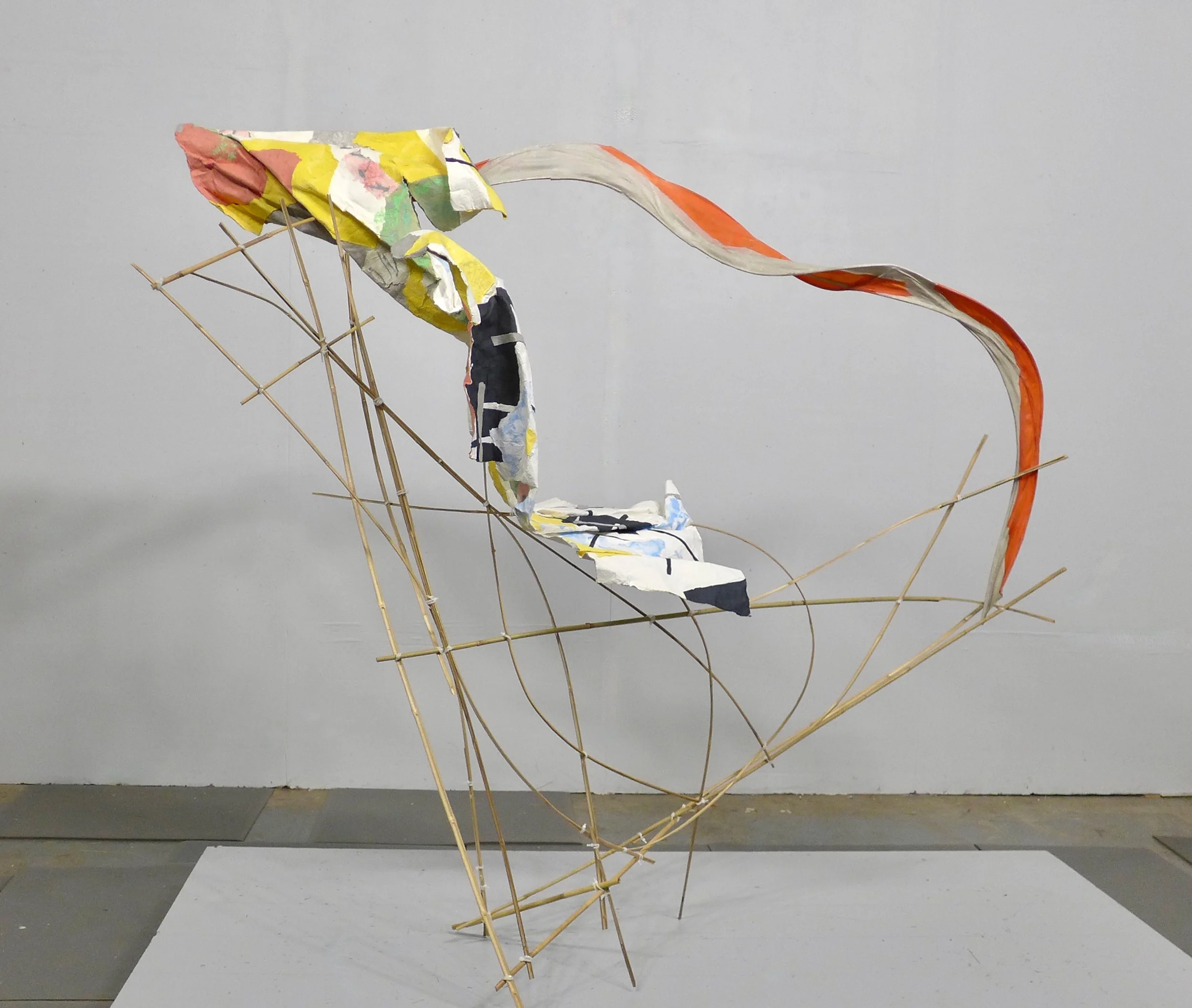
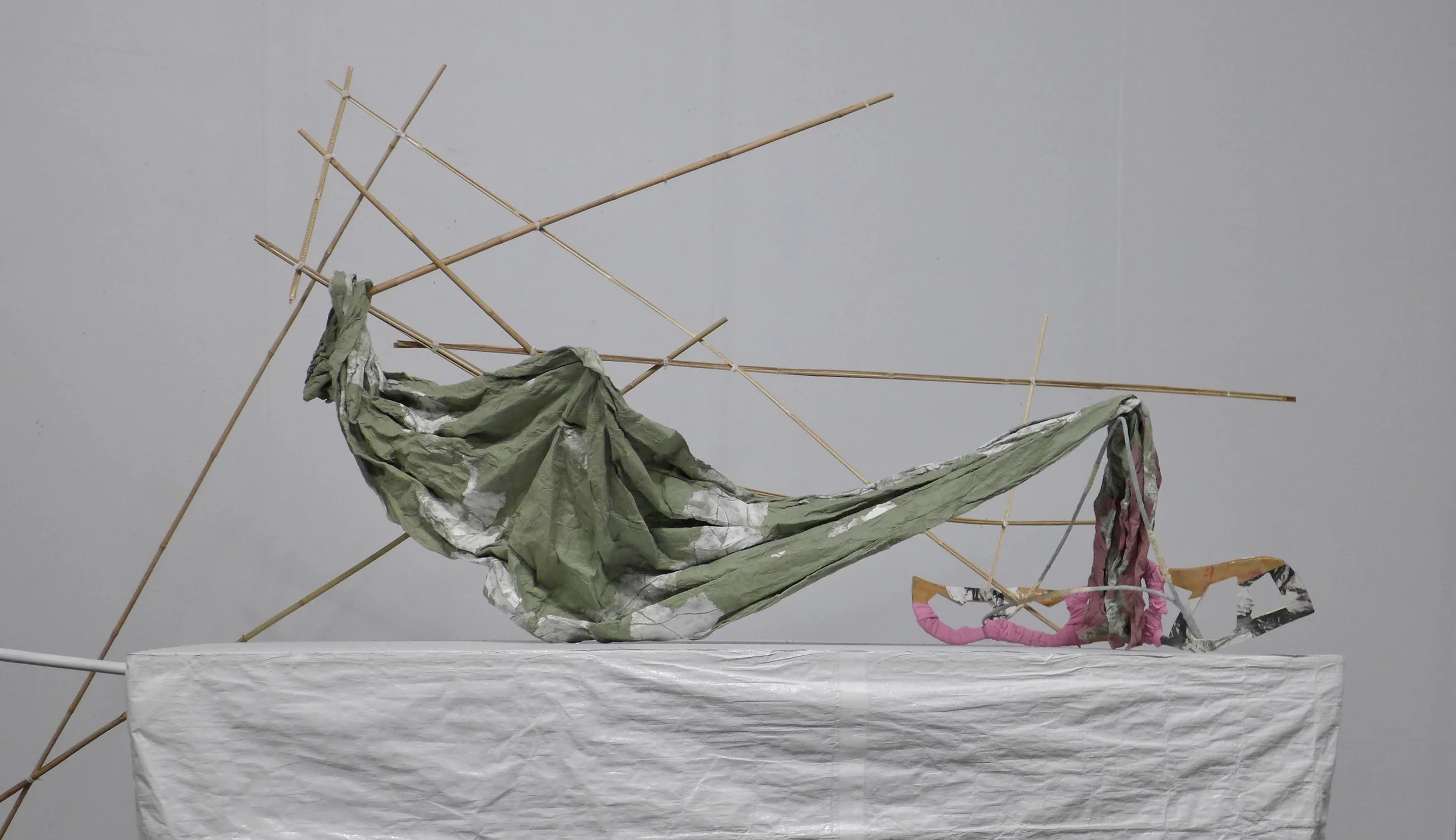
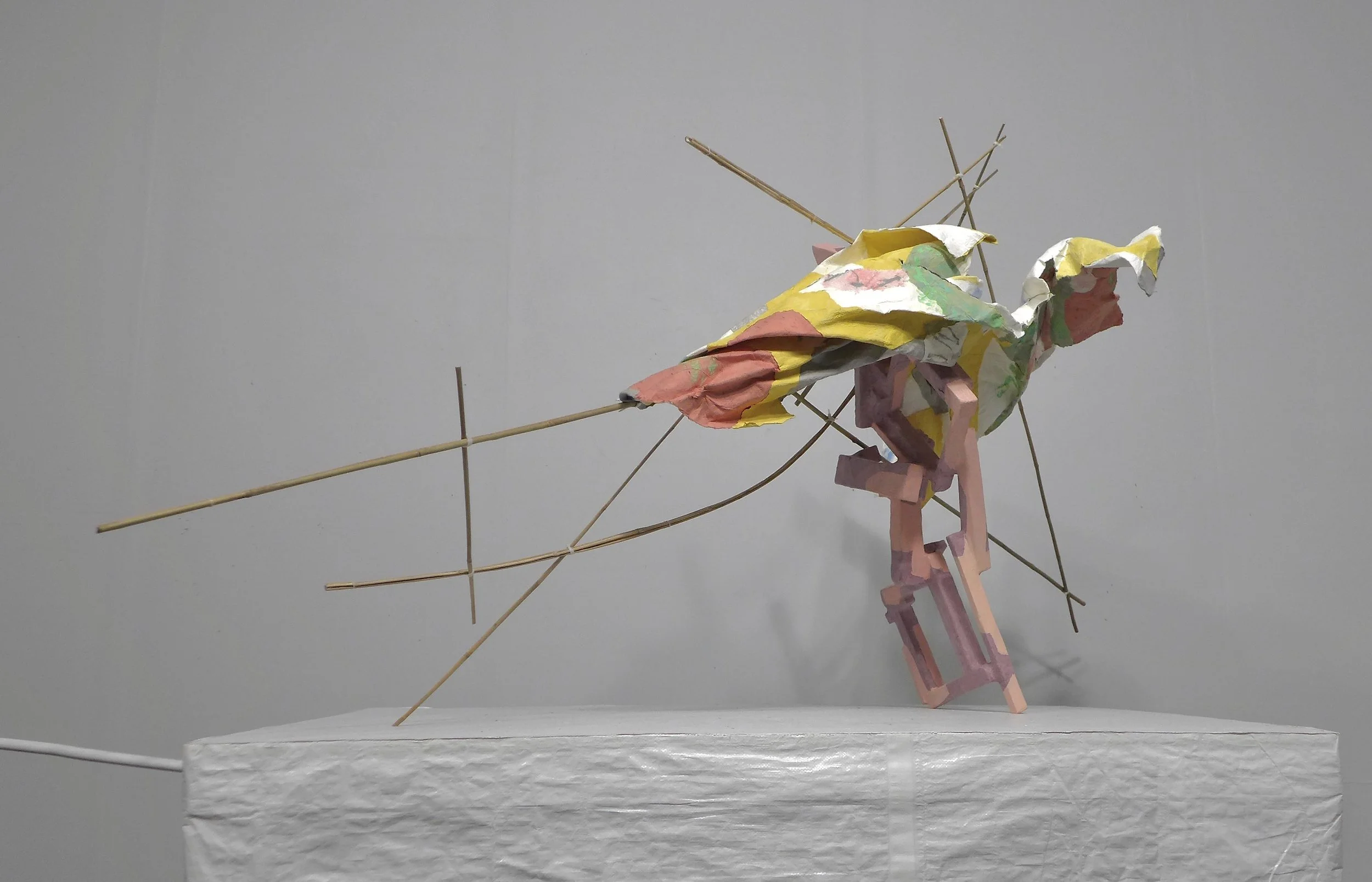


How we work (for illustration purposes only - we’re never this tidy) We make a lot of handmade paper objects often combined with other materials. We make our sculptures by combining/arranging/composing those objects together like those on the table. If it’s interesting we photograph it. Then the piece comes apart and the objects return to the inventory.
Someone wrote -
that Matisse’s paper cutouts are without “finality and finish;” they flourish in “a state of perpetual deferral.” We like that.
Our collaboration is almost seamless.
We are Barbara Landes & Paul Sullivan. We have shared several studios since 1997 and been collaborating since 2015. about us
Thank you for looking at our site. LandesSullivan @ gmail.com